
Over 2.2 billion people worldwide are living with some form of vision impairment or eye disease, making eye health a pressing concern for all ages. Despite this staggering number, many potential eye causes remain overlooked as new threats to vision continue to emerge each year.
Have you ever wondered if you’re missing subtle signs or risks to your own eye health? This article uncovers seven surprising, lesser-known eye causes that are becoming more significant in 2026. From environmental changes to evolving digital habits and hidden health conditions, you’ll gain actionable insights to help protect your vision for years to come.
The Evolving Landscape of Eye Health in 2026
The world is facing a dramatic shift in vision health. According to Global vision impairment statistics, over 2.2 billion people now live with some form of vision impairment or eye disease. This surge is not only due to aging populations but also a result of changing environments and daily habits. As we move through 2026, the landscape of eye causes is evolving faster than ever.
Modern lifestyles are reshaping risk factors for eye causes. More people are spending hours in front of screens for work, learning, and leisure. Urban living exposes eyes to pollution and artificial lighting. These factors, once considered minor, are now recognized as major contributors to both common and unexpected eye causes.
While genetics and age remain significant, surprising eye causes are becoming more prominent. Chronic diseases like diabetes and autoimmune conditions are increasingly linked to vision problems. These connections often go unnoticed until symptoms become severe. The growing population of older adults, combined with rising rates of systemic illness, has made early detection of eye causes more critical than ever.
Advancements in technology have improved diagnosis and treatment. However, new environmental threats and digital habits have introduced risks such as digital eye strain. Recent studies show that up to 60% of adults now report symptoms related to prolonged screen exposure. This trend highlights the urgent need to understand emerging eye causes and adapt prevention strategies.
Recognizing the difference between obvious and lesser-known eye causes is essential. By staying informed and prioritizing regular eye exams, individuals can catch problems early and protect their vision. The next section will explore the seven surprising eye causes gaining attention in 2026, equipping readers with the knowledge to safeguard their eye health in a rapidly changing world.

7 Surprising Eye Causes You Should Know in 2026
Understanding what truly puts your vision at risk is more important than ever. While many people are aware of traditional eye causes like genetics or aging, new research in 2026 highlights a range of unexpected factors. These surprising eye causes are reshaping how experts approach eye health, and knowing them can help you protect your sight for years to come.
Below, we break down seven of the most overlooked eye causes, revealing how modern life, environmental changes, and hidden health issues might be affecting your vision.

1. Blue Light Overexposure from Smart Devices
The surge in screen time has made blue light exposure one of the fastest-growing eye causes of concern. With smartphones, tablets, and LED screens now central to work, education, and leisure, our eyes are exposed to artificial blue light for hours each day.
Research links blue light to digital eye strain, which includes symptoms like eye fatigue, headaches, and blurred vision. In fact, up to 60% of adults now report symptoms of digital eye strain, making it a major public health issue. Extended exposure can also disrupt circadian rhythms, leading to poor sleep and, over time, may contribute to retinal damage and increase the risk of macular degeneration.
During remote work and online learning, both adults and children experienced a sharp rise in eye discomfort. The risks are not limited to discomfort—long-term exposure may have deeper impacts on eye health. Preventive measures include using blue light filters, adjusting device settings, and taking regular screen breaks.
For further reading, explore the Effects of blue light on eye health to understand the science behind these modern eye causes.
2. Air Pollution and Environmental Toxins
Air pollution has become a leading environmental factor among emerging eye causes. Urban residents are increasingly exposed to particulate matter, ozone, and other pollutants that irritate the eye surface.
These toxins can cause dry eye syndrome, conjunctivitis, and increase susceptibility to infections. Studies have found that cities with high pollution levels report up to 30% more eye-related doctor visits compared to less polluted areas. Common symptoms include red, itchy, and watery eyes, particularly during high-pollution days.
Climate change is also intensifying allergen levels, further impacting eye health. To reduce your risk, consider wearing protective eyewear, using indoor air purifiers, and limiting outdoor activities when air quality is poor. Staying informed about local air quality indexes helps you avoid peak pollution times.
Understanding these environmental eye causes is crucial for anyone living in or near busy urban centers.
3. Undiagnosed Autoimmune Disorders
Autoimmune disorders represent some of the most easily overlooked eye causes. Conditions such as rheumatoid arthritis, lupus, and Sjögren’s syndrome can first appear as eye problems before other symptoms emerge.
Common ocular symptoms include dry eyes, unexplained redness, inflammation (like uveitis), or sudden vision changes. Studies show that up to 25% of autoimmune patients experience early eye symptoms, often serving as a warning sign for broader health issues.
Patients sometimes visit eye specialists for pain or vision changes, only to be later diagnosed with an underlying autoimmune disorder. Early detection is critical, as timely treatment can prevent both vision loss and further systemic complications.
Collaboration between ophthalmologists and rheumatologists is essential for comprehensive care. Regular screenings are recommended for those with chronic joint pain or family history of autoimmune disease, as these eye causes are often missed until symptoms worsen.
4. Hormonal Changes and Endocrine Disorders
Hormonal fluctuations have emerged as significant eye causes affecting adults of all ages. Shifts during pregnancy, menopause, or thyroid disease can lead to dry eyes, blurred vision, and even increased risk of glaucoma.
Thyroid eye disease, for example, can cause bulging eyes and double vision. Women going through menopause often notice new or worsening eye discomfort. Individuals with untreated thyroid disorders may develop persistent vision problems.
Diabetes, another endocrine disorder, is closely linked to diabetic retinopathy, a leading cause of blindness. Over 60% of diabetics develop some form of eye complication, highlighting the need for careful monitoring.
Managing these eye causes involves regular eye exams, blood sugar control, and addressing hormonal changes with your healthcare provider. Awareness and early intervention are key to minimizing long-term vision risks.
5. Poor Nutrition and Deficiencies
Nutritional deficits are making a comeback as hidden eye causes, especially among populations consuming more processed foods. Deficiencies in vitamin A, omega-3 fatty acids, and antioxidants can lead to night blindness, dry eye, and increased risk of macular degeneration.
Night blindness is particularly common in areas with limited access to fresh produce. Up to 30% of older adults have been found deficient in at least one nutrient vital for eye health. Targeted supplementation has shown significant improvements in vision outcomes for those affected.
Common conditions linked to poor nutrition include:
| Nutrient | Deficiency Effect |
|---|---|
| Vitamin A | Night blindness |
| Omega-3 | Dry eye |
| Antioxidants | Macular degeneration |
Dietary education and regular nutritional assessments are essential for preventing these eye causes. Prioritizing a balanced diet rich in leafy greens, fish, and colorful vegetables can make a significant difference.
6. Medication Side Effects
Many people are unaware that common medications can be underlying eye causes of discomfort or vision changes. Prescription and over-the-counter drugs, such as antihistamines, antidepressants, and steroids, are known to cause dry eye, blurred vision, light sensitivity, and, in rare cases, optic nerve damage.
It is estimated that up to 10% of adverse drug reactions involve the eyes. Some patients only realize the connection after experiencing persistent symptoms like vision changes or eye pain following a new medication.
If you notice changes in your eyes after starting a medication, consult your healthcare provider promptly. Adjusting the dosage or switching drugs can often resolve symptoms. Monitoring your eye health during new treatments is a proactive step to minimize these eye causes.
7. Sleep Disorders and Poor Sleep Hygiene
Chronic sleep deprivation and sleep disorders have recently been recognized among the more surprising eye causes. Poor sleep quality can lead to dry eyes, twitching eyelids, and blurred vision. Sleep apnea, in particular, has been linked to optic nerve damage and an increased risk of glaucoma.
Shift workers, frequent travelers, and those with irregular schedules often report persistent eye discomfort. Studies show that people with chronic sleep issues have a 50% higher risk of certain eye diseases compared to those with healthy sleep patterns.
Improving sleep hygiene—such as maintaining a regular bedtime, reducing screen time before sleep, and managing sleep apnea—can help protect your eyes. Prioritizing rest is an often-overlooked way to combat these modern eye causes.
Recognizing the Warning Signs: When to Seek Help
Spotting the warning signs of serious eye causes can make the difference between timely treatment and lasting vision loss. Many conditions develop quietly, so knowing when to act is essential for protecting your sight.
If you notice any of the following symptoms, seek immediate medical care:
- Sudden loss of vision in one or both eyes
- Persistent eye pain or severe discomfort
- Flashes of light, sudden floaters, or a shadow across your vision
- Redness or swelling that does not improve
Early intervention is crucial for many eye causes. Ignoring or dismissing subtle changes can lead to irreversible damage, especially for conditions like retinal detachment or acute glaucoma, which can progress rapidly without treatment.
Did you know that delayed treatment is a leading cause of preventable blindness worldwide? Studies show that acting quickly when symptoms appear can save vision in many cases. For more information about what may trigger these symptoms, explore the Causes of Vision Deterioration.
Use this simple checklist to monitor your eye health:
| Symptom | Action to Take |
|---|---|
| Sudden vision loss | Seek emergency care |
| Persistent pain | Contact eye doctor |
| Flashes or floaters | Schedule prompt exam |
| Ongoing redness | Consult specialist |
Comprehensive eye exams can detect both common and unexpected eye causes before symptoms become severe. Schedule regular checkups, especially if you have risk factors or notice any changes. Early detection remains the best defense for your vision.
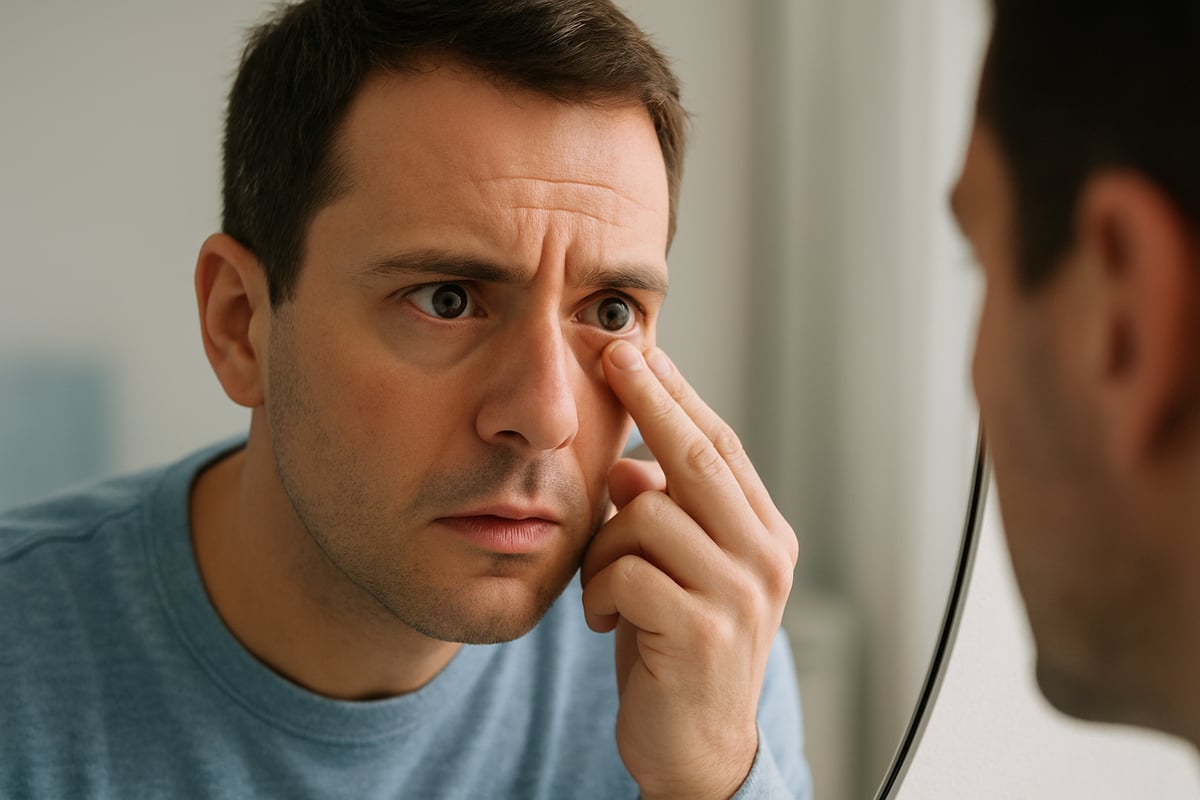
Prevention and Proactive Eye Care Strategies for 2026
Staying ahead of emerging eye causes in 2026 means making prevention part of your daily routine. Most vision problems are avoidable with targeted, proactive strategies that address both common and surprising risks.
Take these steps to protect your eyes from the seven key eye causes:
| Risk Factor | Prevention Strategy |
|---|---|
| Blue light from screens | Use blue light filters, adjust device settings, take regular screen breaks. |
| Air pollution/toxins | Wear protective eyewear outdoors, use air purifiers, limit exposure on high-pollution days. |
| Autoimmune disorders | Schedule regular eye exams, report new symptoms, coordinate care with your medical team. |
| Hormonal/endocrine changes | Monitor vision during hormonal shifts, manage chronic conditions, consult specialists as needed. |
| Nutrition/deficiency | Eat a balanced diet rich in antioxidants, omega-3s, and vitamin A. Learn more about eye deficiencies and their effects. |
| Medication side effects | Discuss all medications with your doctor, watch for new eye symptoms, report changes promptly. |
| Sleep disorders | Prioritize good sleep hygiene, seek treatment for sleep apnea, maintain a regular sleep schedule. |
Regular eye exams, at least every 1-2 years, are vital for early detection of both routine and unexpected eye causes. These visits can catch subtle signs before they progress, especially in people with chronic illnesses or those exposed to environmental risks.
Lifestyle changes make a significant difference. Simple habits like taking screen breaks, improving your diet, and protecting your eyes from pollutants can lower your risk. If you have a health condition that might impact your eyes, work with both your primary doctor and an eye specialist for comprehensive care.
Remember, up to 80% of vision impairment is preventable with early intervention. By understanding the full range of eye causes and acting now, you can safeguard your sight for years to come.
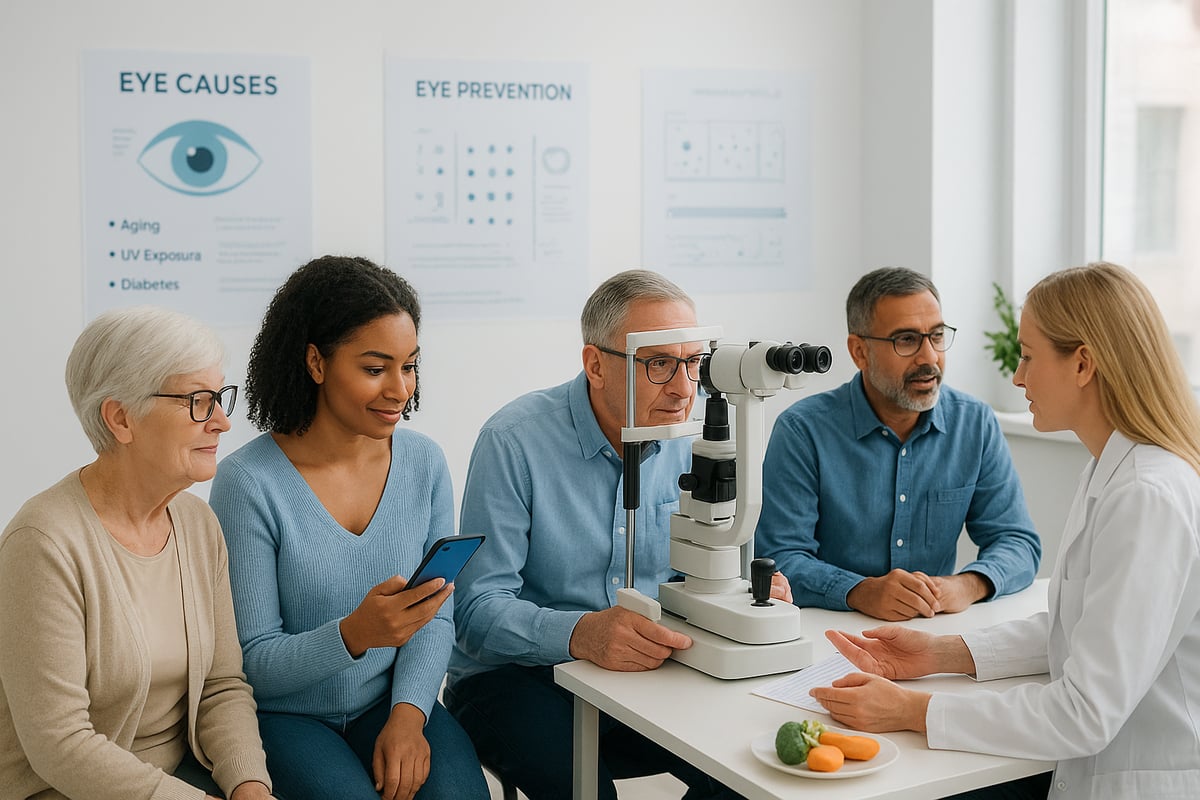
After learning about these unexpected threats to your eye health, it’s natural to wonder what steps you can take to protect your vision—especially if you or a loved one already faces challenges like macular degeneration, glaucoma, or retinal conditions. Staying informed is the first step, but having a personalized conversation about your unique risks and options can make all the difference. If you’re ready to explore innovative treatments like MicroAcupuncture or simply want expert advice on next steps, I invite you to Schedule A Free Phone Call to discuss your concerns with a caring professional.