
In 2025, breakthroughs in genetics are changing the way we understand, prevent, and treat eye genetic diseases. These conditions are more common than many realize and can affect anyone, regardless of age or background.
This guide offers a clear look at the causes and risk factors behind eye genetic diseases. You will discover the genetic roots of both common and rare eye disorders, learn about the latest diagnostic tools, and explore new treatment options.
By understanding these advances, you can take practical steps to protect your vision and make informed choices about your eye health.
The Genetic Foundations of Eye Diseases
Understanding the genetic roots of vision begins with the basics: our genes shape how our eyes form and function. When these genes change or mutate, they can set the stage for a wide range of eye genetic diseases. These conditions can affect anyone, and over one-third of all human genetic disorders involve the eye.
Understanding Eye Genetics and Inheritance Patterns
Genes act as blueprints for eye structure and function. When specific genes are altered, the risk of developing eye genetic diseases rises significantly. Inheritance patterns—how these gene changes are passed down—are key to understanding risk within families.
There are four main inheritance patterns:
| Pattern | Description | Example Disease |
|---|---|---|
| Autosomal Dominant | One altered gene causes disease | Some retinitis pigmentosa |
| Autosomal Recessive | Two altered genes required | Certain congenital cataracts |
| X-linked | Mutation on X chromosome | Red-green color blindness |
| Mitochondrial | Passed from mother | Some optic neuropathies |
For instance, retinitis pigmentosa may be inherited as autosomal dominant or recessive, while color blindness is typically X-linked. Mutations and rare variants in genes can trigger disease, and family history is a major risk factor for many eye genetic diseases.
To dive deeper into how these genetic mechanisms drive degenerative eye conditions, see Degenerative Genetic Eye Diseases.
Advances in Genomic Medicine and Genetic Testing (2025)
The field of genomics has transformed how we detect and understand eye genetic diseases. Next-generation sequencing (NGS) and genome-wide association studies (GWAS) help scientists discover new gene variants linked to conditions like macular degeneration, glaucoma, and cataracts.
Modern diagnostic tools include multi-gene panels and whole exome sequencing (WES). These tools can identify over 50 loci for hereditary cataracts and more than 40 loci for age-related macular degeneration (AMD). As a result, the accuracy of diagnosing eye genetic diseases has improved dramatically.
Genetic testing now guides personalized risk assessment and early intervention strategies. Genetic counselors play an expanding role, helping individuals interpret results and plan proactive care. This progress offers new hope for those with a family history of eye genetic diseases.
Environmental and Lifestyle Interactions with Eye Genetics
Genetics is only part of the story. Environmental and lifestyle factors can interact with genetic predisposition to influence the risk and progression of eye genetic diseases. Smoking, diet, and UV exposure are key examples—smoking combined with certain gene variants can dramatically elevate AMD risk.
Epigenetic changes, which affect how genes are expressed, also impact eye health. Research in transcriptomics and proteomics reveals how lifestyle choices can modify these risks even for those with genetic susceptibility.
Taking steps like quitting smoking, improving diet, and protecting eyes from UV light can help reduce the impact of eye genetic diseases. Even with a genetic predisposition, proactive choices make a measurable difference. Understanding both inherited and modifiable factors empowers families to manage hereditary eye disease risk more effectively.
Most Common Genetic Eye Diseases in 2025
Understanding the landscape of eye genetic diseases in 2025 is essential for anyone concerned about vision health. These conditions, shaped by both hereditary and environmental factors, are among the leading causes of vision loss worldwide. Early diagnosis and advances in genetic research are giving patients more options than ever before. For a comprehensive overview of these conditions, visit Eye Deficiencies and Disorders.
Age-Related Macular Degeneration (AMD)
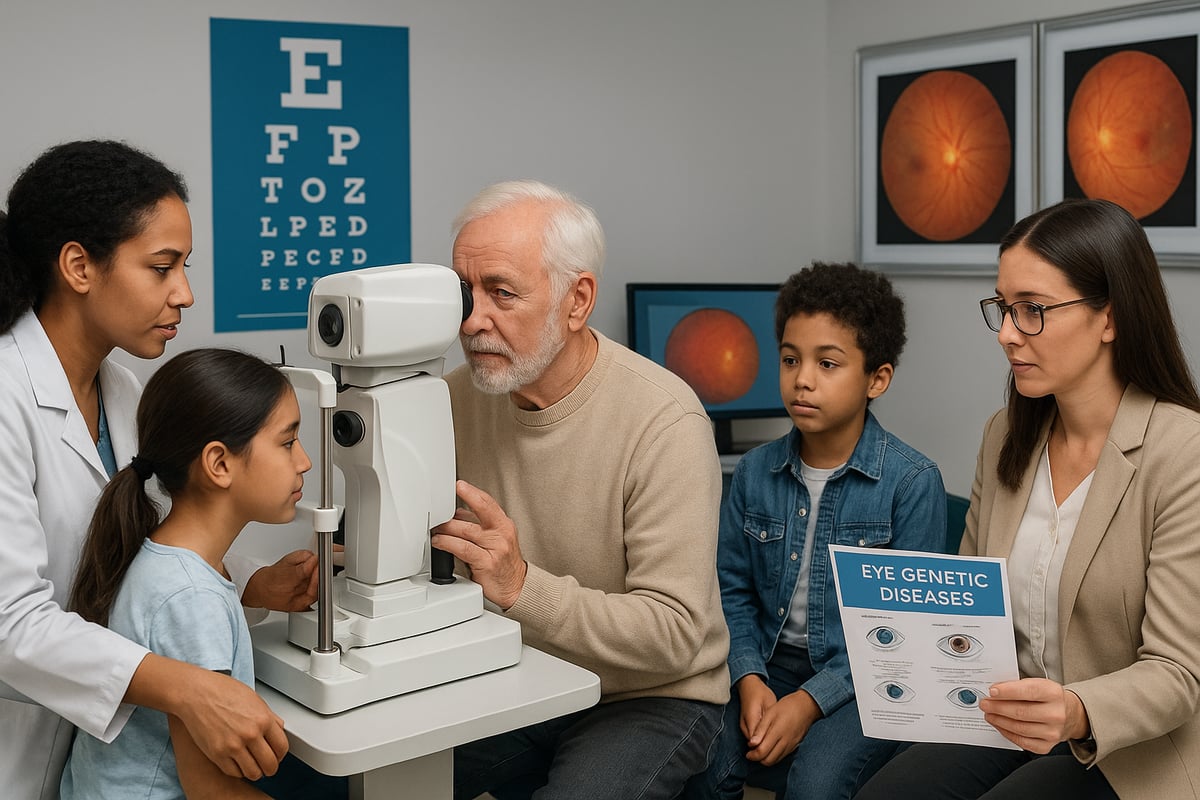
AMD is projected to affect 288 million people globally by 2040, making it one of the most prevalent eye genetic diseases. Genetic risk factors include CFH, C3, HTRA1, and SLC16A8. The heritability of AMD ranges from 45 to 70 percent. Symptoms often begin as blurred or distorted central vision, progressing to significant central vision loss. Environmental influences like smoking and diet can increase risk, but genetic testing is vital for those with a family history. Early detection and intervention are key to managing AMD.
Glaucoma
Glaucoma is the leading cause of irreversible blindness worldwide. It can develop silently, often after age 40, but some forms appear in infancy. Major genes involved include MYOC, CYP1B1, OPTN, FOXC1, and PAX6. Primary open-angle glaucoma is most common, but congenital and secondary types also exist. Family history strongly increases risk, as mutations in MYOC alone account for 3 to 5 percent of primary open-angle cases. Regular screening is crucial for those with genetic predisposition to eye genetic diseases.
Cataracts (Congenital and Age-Related)
Cataracts, both congenital and age-related, are significant contributors to vision impairment. More than 50 genetic loci have been linked, including CRYAA, GJA3, and GEMIN4. Up to 30 percent of congenital cataracts are hereditary. Symptoms typically involve clouding of the lens, leading to blurred vision in children and adults. Cataracts can be syndromic or non-syndromic, with genetic testing especially important in pediatric cases to guide management and treatment.
Retinitis Pigmentosa
This group of inherited retinal dystrophies affects approximately 1 in 4,000 people worldwide. Retinitis pigmentosa is caused by mutations in genes such as RPGR, PRPF3, HK1, and AGBL5. It can be inherited in autosomal dominant, autosomal recessive, or X-linked patterns. Early symptoms include night blindness and gradual peripheral vision loss, progressing to tunnel vision. Advances in gene therapy and clinical trials are offering new hope for individuals with these eye genetic diseases.
Stargardt Disease and Other Retinal Dystrophies
Stargardt disease is a form of inherited macular degeneration that mainly affects children and young adults. The ABCA4 gene is most frequently implicated, though other rare forms involve additional genes. Symptoms include central vision loss and changes in color perception. Early genetic diagnosis is critical for effective management and can help slow disease progression in these rarer eye genetic diseases.
Color Blindness and Inherited Optic Neuropathies
Color blindness, particularly the red-green type, is one of the most common X-linked eye genetic diseases, affecting about 1 in 12 men. Key genes include OPN1LW and OPN1MW. Inherited optic neuropathies, such as those linked to OPA1 and ND genes, can cause vision loss and color discrimination issues. While there is currently no cure, early identification allows for supportive interventions and adaptation, improving quality of life.
Rare and Emerging Genetic Eye Diseases
Understanding rare and emerging eye genetic diseases is essential as new discoveries reshape how these conditions are identified and managed. These disorders, although less common, highlight the vast genetic diversity affecting vision and underscore the need for continued research and innovation.
Overview of Less Common Hereditary Eye Disorders
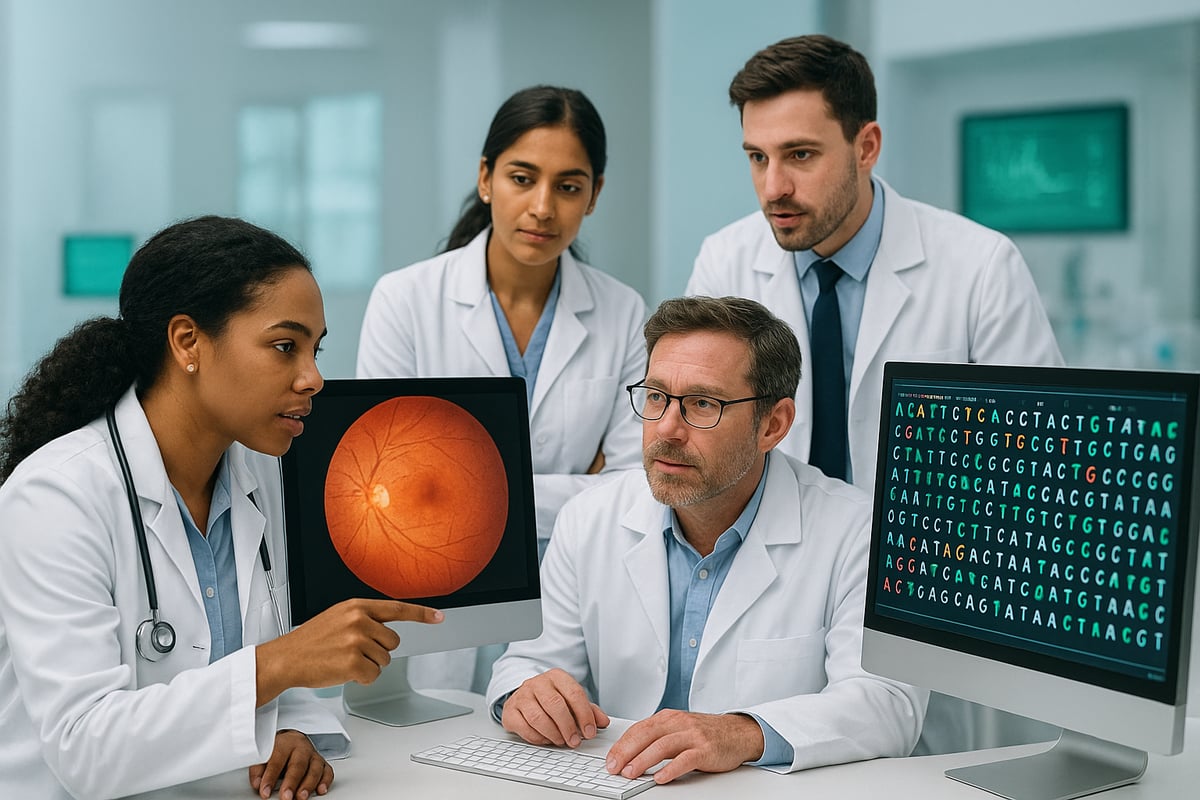
Rare eye genetic diseases can present with a range of symptoms and complications. For example, Marfan syndrome, caused by FBN1 mutations, may lead to lens dislocation and retinal detachment. Uveal melanoma, associated with PTEN and BAP1 genes, is a rare cancer affecting the eye's uveal tract. Other conditions, such as polypoidal choroidal vasculopathy, involve genes like C2, CFH, and ARMS2 HTRA1.
Leber congenital amaurosis is an early onset retinal dystrophy with over 20 known gene mutations. Myopia, while common, can have a hereditary component involving genes such as HGF, PAX6, and MMP 1 2. Ongoing research continues to expand our understanding of eye genetic diseases. For instance, a recent NIH discovery identified a gene linked to rare inherited eye disease, offering hope for improved diagnosis and therapy.
New Discoveries and Trends in 2025
In 2025, advances in gene editing and molecular diagnostics are transforming the field of eye genetic diseases. CRISPR Cas9 technology is being explored for correcting disease causing mutations in the retina. Multi omics approaches, such as epigenomics and proteomics, are helping uncover new biomarkers and therapeutic targets.
Precision medicine is now a reality for several rare syndromic eye disorders. Next generation sequencing (NGS) has enabled the identification of novel mutations, especially in pediatric cataract syndromes. Early successes in gene therapy, such as treatments for Leber congenital amaurosis and retinitis pigmentosa, illustrate the promise of these innovations. These breakthroughs are paving the way for personalized care and improved outcomes for patients with eye genetic diseases.
Challenges in Diagnosis and Management of Rare Diseases
Diagnosing rare eye genetic diseases remains complex due to clinical heterogeneity and overlapping symptoms. Limited access to advanced genetic testing in some regions can delay or prevent accurate diagnosis. Multidisciplinary care involving ophthalmologists, geneticists, and counselors is critical for comprehensive management.
Establishing patient registries and promoting global data sharing are essential steps for advancing research and care. Expanding newborn screening and early intervention programs can help detect eye genetic diseases sooner, enabling timely treatment. Addressing these challenges requires collaboration, education, and ongoing investment in genetic eye health.
Diagnosis and Risk Assessment: Genetic Testing in Eye Diseases
Accurate diagnosis and risk assessment are essential for effectively managing eye genetic diseases. As genetic technologies rapidly advance, individuals and families benefit from earlier detection, better understanding of risk, and more personalized care strategies. Let us explore how modern genetic testing and thoughtful guidance can help you navigate the complexities of hereditary eye conditions.
Modern Genetic Testing Technologies
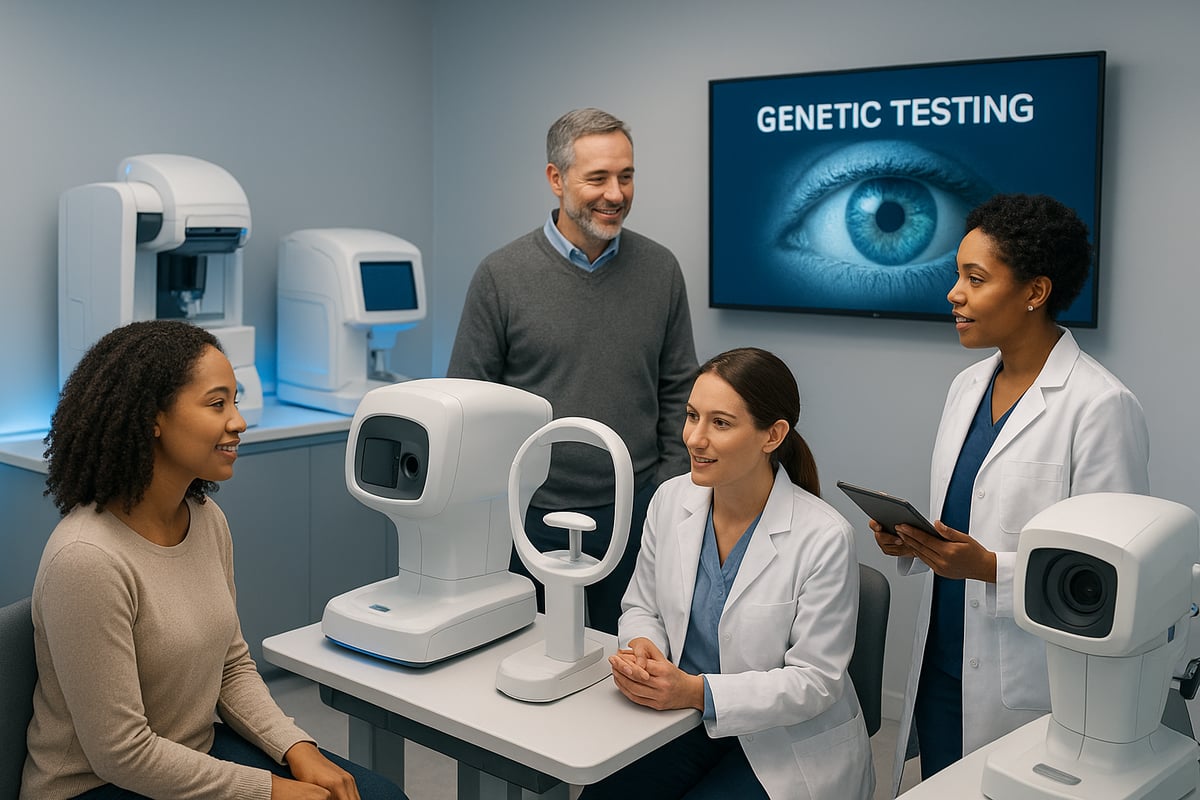
Today’s genetic testing landscape offers a range of tools for diagnosing eye genetic diseases. These include single-gene tests for known mutations, multi-gene panels that assess several genes at once, and comprehensive approaches like whole exome or whole genome sequencing.
| Testing Type | Scope | Common Uses |
|---|---|---|
| Single-gene | One gene | Known family mutation |
| Multi-gene panel | Multiple relevant genes | Syndromic or unclear diagnosis |
| Whole exome/genome | All coding/non-coding regions | Complex or undiagnosed cases |
Testing is recommended for those with a family history, early-onset symptoms, or syndromic presentations. Interpretation relies on variant classification and genetic counseling. One major advancement is that whole genome sequencing enhances detection of inherited eye diseases, identifying up to 13% more cases in children compared to traditional tests. Despite this progress, some results remain inconclusive due to variants of unknown significance or incomplete penetrance.
Steps for Individuals with Family History of Eye Disease
If you have a family history of eye genetic diseases, proactive steps can make a significant difference:
- Gather detailed family and personal medical history.
- Schedule comprehensive eye exams and visual function testing.
- Consult with a genetic counselor or ophthalmic geneticist for expert guidance.
- Proceed with the recommended genetic testing based on your unique risk factors.
- Discuss results and develop a personalized risk management plan.
- Commit to regular follow-ups and ongoing monitoring for early detection.
Following this pathway empowers individuals and families to take control of their eye genetic diseases journey. Early action can lead to timely intervention, improved outcomes, and better quality of life.
Ethical, Social, and Psychological Considerations
Genetic testing for eye genetic diseases brings important ethical and social implications. Informed consent and privacy are critical, as results may impact not only you but also your relatives.
Predictive and carrier testing can affect family planning decisions and may cause anxiety or relief depending on the outcome. There are also concerns about insurance coverage, discrimination, and the psychological burden of knowing one's genetic risk.
Education, counseling, and support resources are essential for patients and families navigating these challenges. By fostering open communication and providing expert support, the process of genetic testing becomes more manageable and empowering.
Innovations in Treatment and Management of Genetic Eye Diseases
Innovations in the treatment and management of eye genetic diseases are transforming patient care in 2025. From advanced drug therapies to gene editing, patients now have more options than ever to preserve vision and improve quality of life.
Current Therapeutic Approaches
Management of eye genetic diseases starts with established therapies that target symptoms and slow disease progression. Pharmacological treatments, such as anti VEGF injections for age related macular degeneration and intraocular pressure lowering drugs for glaucoma, remain standard care for many patients. Surgical options, like cataract extraction or glaucoma surgery, can restore or maintain vision in eligible cases.
Low vision aids, including magnifiers and adaptive technologies, help patients adapt when vision loss progresses. Lifestyle modifications also play a crucial role. A balanced diet rich in omega 3 fatty acids and antioxidants, regular exercise, and UV protection can help slow the advance of some conditions. Early intervention is vital, especially for children with hereditary eye disorders.
For a comprehensive overview on managing these conditions, you may find Degenerative Disease in Eyes helpful. Staying informed and proactive is key in the fight against eye genetic diseases.
Gene Therapy and Precision Medicine (2025)
The landscape for treating eye genetic diseases is rapidly evolving thanks to breakthroughs in gene therapy and precision medicine. Approved therapies, such as Luxturna for RPE65 associated retinal dystrophy, offer hope to patients with previously untreatable conditions. Ongoing clinical trials are exploring gene therapies for retinitis pigmentosa, Stargardt disease, and more, aiming to repair or replace faulty genes at the source.
Genome editing technologies, including CRISPR, are under investigation for their potential to correct disease causing mutations. Personalized medicine is becoming more common, with treatments tailored to each patient’s specific genetic profile. However, barriers like high costs, limited availability, and regulatory challenges remain.
These innovative strategies represent a paradigm shift in the management of eye genetic diseases. As research continues, more patients are expected to benefit from targeted, effective therapies.
Living with Genetic Eye Disease: Practical Steps
Living with eye genetic diseases requires a comprehensive approach that extends beyond medical treatments. Regular eye exams and consistent vision monitoring enable early detection of changes. Genetic counseling is recommended for families and individuals at risk, providing guidance on inheritance, prognosis, and family planning.
Support networks, including patient advocacy groups and community resources, can offer emotional and practical support. Assistive technologies, such as screen readers and mobile apps, help individuals maintain independence and adapt to vision changes. Advocacy for increased research funding and improved access to care remains crucial for advancing treatment options.
By taking proactive steps and leveraging available support, individuals with eye genetic diseases can manage symptoms and maintain a high quality of life.
Prevention, Early Detection, and Future Directions
Taking a proactive approach to eye genetic diseases can dramatically influence outcomes for individuals and families. Advances in science offer new ways to reduce risk, detect issues early, and access vital support. Understanding these steps is essential for anyone concerned about hereditary eye health.
Strategies for Reducing Risk and Delaying Onset
Even with a strong genetic predisposition, there are proven ways to help prevent or delay the onset of eye genetic diseases. Lifestyle choices have a measurable impact. Quitting smoking, following a balanced diet rich in omega-3s and antioxidants, and wearing UV-blocking sunglasses all lower risk.
Managing systemic diseases like diabetes and hypertension is also crucial. Early intervention, especially in children identified as high risk, can preserve vision. Public health campaigns now emphasize these modifiable factors, making prevention more accessible.
To explore more about how hereditary and lifestyle factors intersect, review the Causes of Vision Deterioration for detailed guidance on protecting your sight.
The Future of Eye Genetics: What to Expect Beyond 2025
The landscape of eye genetic diseases is rapidly evolving. Soon, population-level genetic screening and newborn testing will become standard, allowing for earlier detection than ever before. Multi-omics data, integrating genomics, proteomics, and metabolomics, will refine risk prediction and guide individualized care.
Artificial intelligence is driving major breakthroughs. For example, the AI tool predicts genetic eye diseases by analyzing retinal scans, enabling faster and more accurate diagnoses. New gene therapies and regenerative medicine approaches are also on the horizon, promising hope for previously untreatable conditions.
Global initiatives are working to ensure these innovations benefit all people affected by eye genetic diseases.
Resources for Patients and Families
Navigating eye genetic diseases can be overwhelming, but a wide range of resources is available to support you. National and international registries help track hereditary conditions and connect families with research opportunities. Patient advocacy groups offer education, peer support, and updates on clinical trials.
Access to genetic counseling and testing services is expanding, making it easier to understand your individual risk. Educational materials are widely available for both patients and caregivers. Participating in research or support networks empowers families and advances the future of care for eye genetic diseases.
If you or a loved one is facing the challenges of a genetic eye condition, you are not alone. Understanding the latest advances in genetics and treatment options, like MicroAcupuncture, is a powerful step toward managing your vision health. We believe that staying proactive—whether it’s learning about personalized care or exploring innovative therapies—can make a real difference. If you have questions about your risks, family history, or how our specialized approach may help you, we’re here to listen and guide you. Take the next step and Schedule A Free Phone Call to discuss your unique situation with us.