
Over 2.2 billion people around the world are affected by vision problems, yet the true dangers of eye maladies often go unnoticed. These conditions can develop quietly, threatening eyesight without warning.
In 2025, understanding eye maladies is more important than ever. New research, emerging risks, and innovative treatments are changing how we approach eye health.
This article reveals nine crucial facts everyone should know, helping you protect your vision and make informed choices. Ready to stay ahead of silent threats? Discover what you need to know to safeguard your eyes for the future.
The Rising Prevalence of Eye Maladies in 2025
Vision health is facing unprecedented challenges in 2025. The prevalence of eye maladies is climbing worldwide, putting millions at risk for vision loss and impacting daily life. Understanding why these conditions are on the rise is crucial for protecting your eyesight in a changing world.

Key Global Statistics and Trends
Recent years have witnessed a sharp increase in age-related eye maladies. As populations age, more people are developing conditions such as cataracts and macular degeneration. The global diabetes epidemic is fueling a surge in diabetic retinopathy, while extended screen time has caused digital eye strain to become a household concern.
Urbanization and pollution are introducing new environmental pressures on vision health. According to the Global vision impairment statistics, over 2.2 billion people now live with some form of vision impairment. Compared to 2020, cases have risen significantly, straining healthcare systems and reducing productivity. Early detection and public awareness are key to reversing these trends.
Emerging Risk Factors in Modern Lifestyles
Modern lifestyles are introducing novel risks for eye maladies. Prolonged exposure to digital screens increases blue light absorption, contributing to visual fatigue and discomfort. Sedentary habits restrict blood flow to the eyes, while diets high in processed foods lack essential nutrients for ocular health.
Environmental exposures, such as ultraviolet rays, air pollution, and allergens, further elevate risk. Chronic stress and mental health issues have also been linked to worsening vision. This combination of factors means that eye maladies are no longer only a concern for older adults but affect all age groups.
Advances in Eye Disease Detection and Treatment
Despite the rising tide of eye maladies, there is hope in the form of technological advancements. AI-powered retinal imaging now enables earlier and more accurate diagnoses. Home-based vision monitoring tools empower individuals to track changes between appointments.
Surgical techniques have evolved, offering minimally invasive options with quicker recovery times. Personalized medicine is providing targeted therapies for genetic eye maladies. Telemedicine is making specialist care accessible to remote communities, ensuring more people receive timely interventions and ongoing support.
9 Essential Eye Maladies Facts Everyone Should Know in 2025
Understanding eye maladies is crucial for protecting your vision in 2025. With new risks emerging and technology transforming care, staying informed empowers you to make proactive choices. Below are nine essential facts about eye maladies everyone should know this year.
1. Digital Eye Strain Is Now a Leading Cause of Vision Complaints
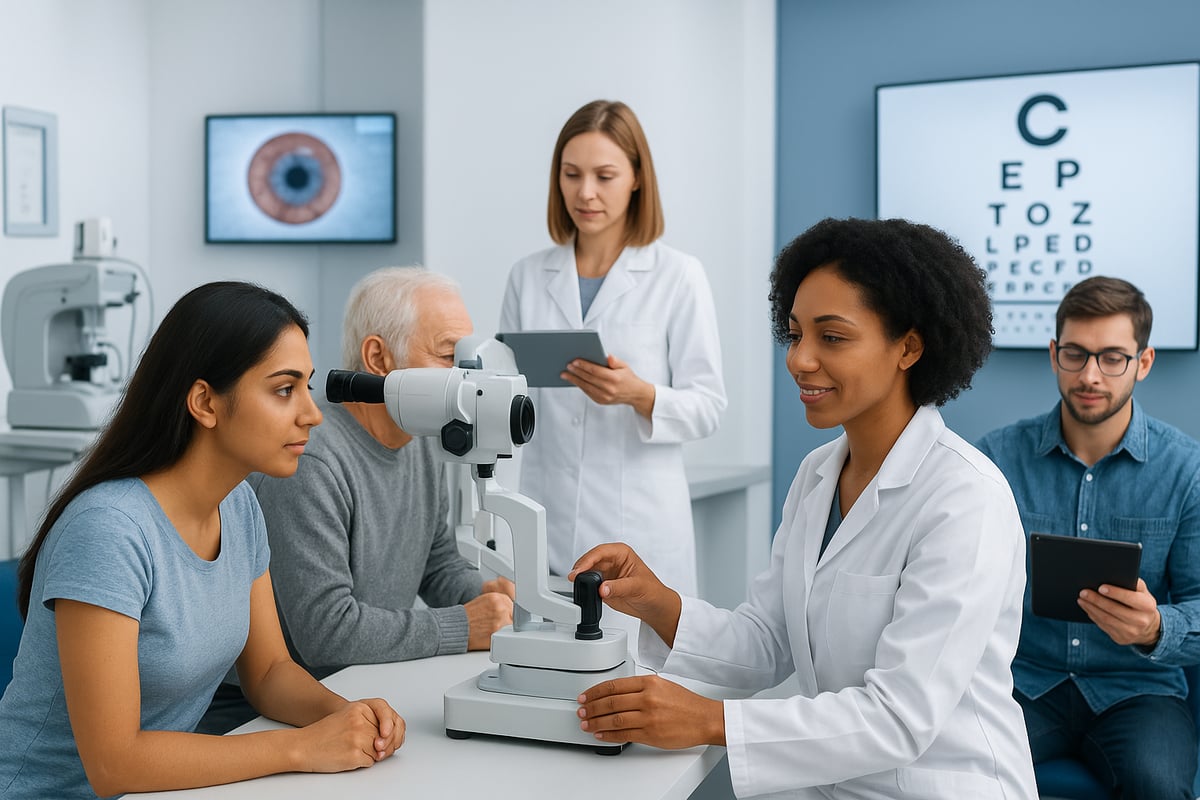
Digital eye strain has rapidly become one of the most common eye maladies worldwide. Defined by symptoms like headaches, blurred vision, and dry eyes, this condition now affects both adults and children. The surge in remote work and online learning in 2025 means more people spend hours in front of screens daily.
According to recent American Optometric Association surveys, over 70% of device users report symptoms of digital eye strain. The impact is particularly strong among children, who are exposed to screens earlier and for longer periods. Preventive strategies, such as the 20-20-20 rule (look 20 feet away for 20 seconds every 20 minutes), ergonomic setups, and blue light filtering screens, are critical.
Long-term unmanaged digital eye strain can lead to chronic discomfort and may increase the risk for other eye maladies. For more on how digital devices impact vision, see this Digital eye strain and blue light effects resource.
2. Macular Degeneration Remains the Top Cause of Irreversible Vision Loss
Among eye maladies, macular degeneration is the leading cause of permanent vision loss in older adults. There are two primary types: dry and wet. The dry form is more common, while wet macular degeneration progresses faster and can be more severe.
People over age 60, especially those with a family history, are at highest risk. Recent advances, such as anti-VEGF injections and stem cell therapy, offer hope for slowing disease progression. Regular eye exams are essential for early detection, as early intervention can preserve vision.
Lifestyle modifications, including a diet rich in leafy greens and quitting smoking, can also slow progression. In the US alone, millions are affected, with prevalence expected to rise globally as populations age.
3. Diabetic Retinopathy Is Rising with Global Diabetes Rates
Diabetic retinopathy is one of the fastest growing eye maladies, closely linked with the worldwide increase in diabetes. High blood sugar damages the tiny blood vessels in the retina, leading to vision changes and, in severe cases, blindness.
There are two main stages: non-proliferative and proliferative. Early screening is vital, especially for those living with diabetes. In 2025, annual retinal exams are recommended for all diabetics. Treatments now include advanced laser therapy and intravitreal injections that can stabilize or improve vision.
Preventing diabetic retinopathy requires strict blood sugar control, a balanced diet, and regular exercise. According to the IDF Diabetes Atlas, cases are projected to rise, making it even more important to prioritize eye health among people with diabetes.
4. Glaucoma Is a Silent Thief of Sight
Glaucoma is known as the "silent thief of sight" because it often causes irreversible damage before symptoms appear. This group of eye maladies involves progressive optic nerve damage, frequently tied to elevated intraocular pressure.
There are several types: open-angle, angle-closure, and normal-tension glaucoma. Regular monitoring of intraocular pressure is essential, especially for those with a family history. Advances in medications and minimally invasive surgeries have improved outcomes.
Genetic risk factors play a large role, so family members should also be screened. The World Health Organization estimates that millions will be affected globally in 2025, highlighting the ongoing need for awareness and early intervention.
5. Cataracts Are Increasingly Treatable and Preventable
Cataracts, a leading cause of treatable blindness, are among the most common eye maladies caused by aging, UV exposure, smoking, and diabetes. Symptoms include cloudy vision, glare, and difficulty seeing at night.
Modern surgical techniques, such as laser-assisted cataract surgery, offer safe and effective restoration of vision. Prevention strategies include wearing UV-blocking eyewear and maintaining a healthy diet rich in antioxidants.
However, disparities in access to care exist around the world. While millions undergo successful surgery yearly, many in low-resource settings still lack treatment. Global surgery statistics show improved outcomes, but continued efforts are needed to ensure equitable care.
6. Children’s Eye Health Is Under New Threats
Children are facing new threats from eye maladies, particularly the dramatic rise in myopia (nearsightedness). Increased screen time and indoor lifestyles are major contributors, especially in urban environments.
Early vision screening in schools is now more important than ever. New interventions, like orthokeratology lenses and low-dose atropine drops, can slow the progression of myopia. Encouraging outdoor play has also been shown to protect against worsening eyesight.
In East Asia, myopia rates among children have reached epidemic levels, but the trend is global. Addressing these threats early can prevent lifelong vision problems and reduce the societal burden of eye maladies.
7. Retinal Detachment: Causes, Symptoms, and Urgency
Retinal detachment is a medical emergency among eye maladies, requiring immediate attention to prevent permanent vision loss. Key risk factors include high myopia, trauma, and previous eye surgery.
Warning signs such as flashes of light, sudden floaters, or a shadow over part of the vision should prompt urgent evaluation. Advances in surgical repair, including pneumatic retinopexy and vitrectomy, have improved success rates.
Timely intervention is crucial. Most patients recover well if treated promptly, but delays can lead to irreversible vision impairment. Awareness of symptoms helps ensure rapid response and better outcomes.
8. Infectious and Autoimmune Eye Diseases Are on the Rise
Infectious and autoimmune conditions are increasingly recognized among modern eye maladies. Common infections like conjunctivitis, uveitis, and keratitis are now more prevalent, partly due to global travel and changing environments.
Autoimmune diseases such as rheumatoid arthritis and lupus can also trigger serious eye inflammation. New diagnostic tools, including PCR and antibody testing, allow for earlier detection and targeted treatment.
Recent advances in biologic therapies have improved outcomes for patients with autoimmune eye maladies. Staying vigilant about eye symptoms is essential, especially for those with underlying health conditions.
9. Lifestyle Choices Directly Impact Eye Health
The link between lifestyle and eye maladies has never been clearer. Diets rich in antioxidants and omega-3 fatty acids support retinal health and reduce the risk of certain diseases. Smoking and excessive alcohol use are well-established risk factors for cataracts and other conditions.
Quality sleep is important for maintaining a healthy eye surface, while regular exercise helps improve circulation to the eyes. Large population studies confirm that positive lifestyle changes can significantly lower the risk of developing eye maladies.
By making informed choices, you can protect your vision and reduce your risk of eye maladies as you age.
Preventing Eye Maladies: Actionable Steps for 2025
Protecting your vision in 2025 requires proactive steps, as eye maladies can develop silently and progress quickly. Prevention is always the most effective approach to maintaining lifelong eye health.
Schedule regular comprehensive eye exams, even if you have no symptoms. Many eye maladies progress without warning, so early detection through annual checkups is essential. Learn more about the causes of vision deterioration to understand your personal risk factors.
Stay alert to subtle signs like blurry vision, sudden floaters, or persistent eye discomfort. Do not ignore these symptoms, as prompt evaluation can prevent further damage.
Adopt these protective habits:
- Wear UV-blocking sunglasses outdoors to shield eyes from harmful rays.
- Use blue light filters and adjust screen brightness during digital activities.
- Take regular breaks using the 20-20-20 rule to reduce digital strain.
A balanced diet supports eye health. Prioritize leafy greens, carrots, and omega-3-rich foods. Eye maladies are often linked to poor nutrition, so make small changes for big benefits.
Key lifestyle practices include:
- Stay hydrated and avoid excessive processed foods.
- Manage chronic conditions such as diabetes and hypertension.
- Prioritize quality sleep and practice stress-reduction techniques.
Participate in community eye health programs, vision screenings, and awareness campaigns. Education and early action empower individuals and families to prevent avoidable vision loss.
By incorporating these simple yet effective steps, you can significantly reduce your risk of developing eye maladies and safeguard your vision for years to come.
The Future of Eye Care: Trends to Watch
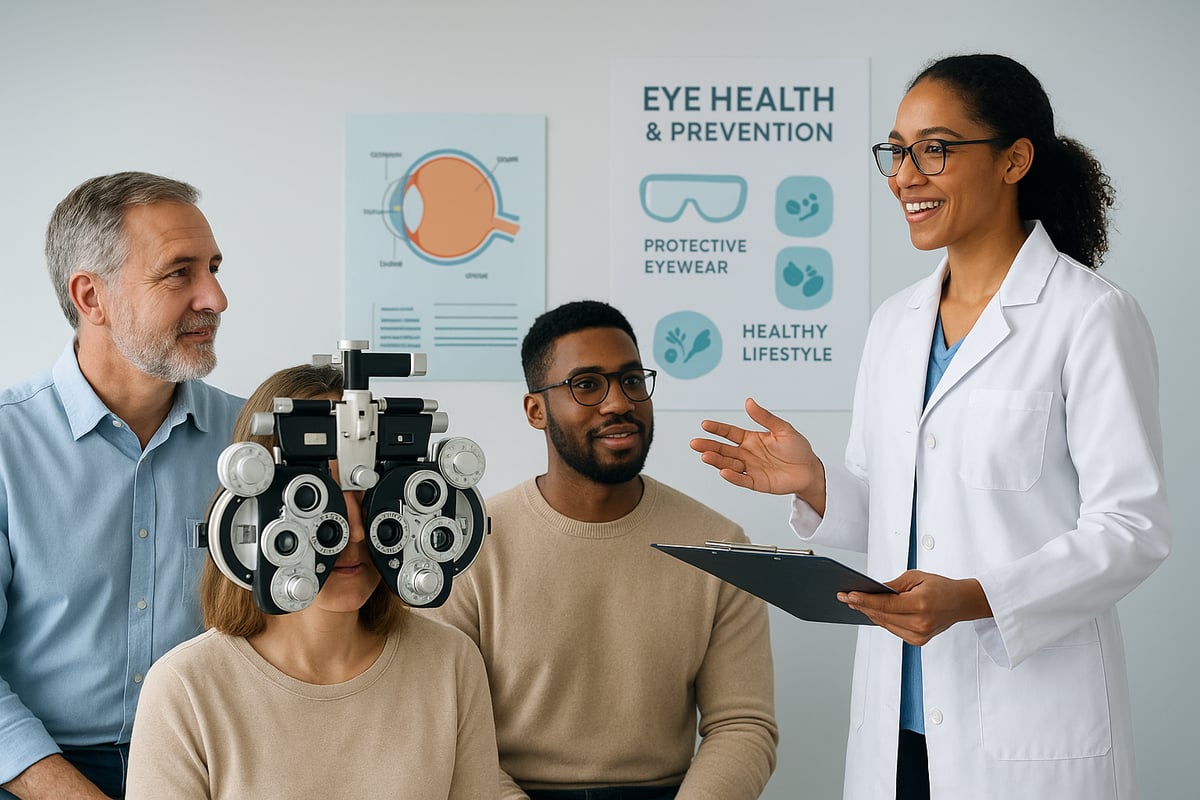
The future of eye maladies management is evolving rapidly, bringing hope for millions worldwide. As we look ahead, several key trends are reshaping how eye maladies will be detected, treated, and prevented. Understanding these shifts is crucial for anyone concerned about long-term eye health.
Technological Innovations in Eye Health
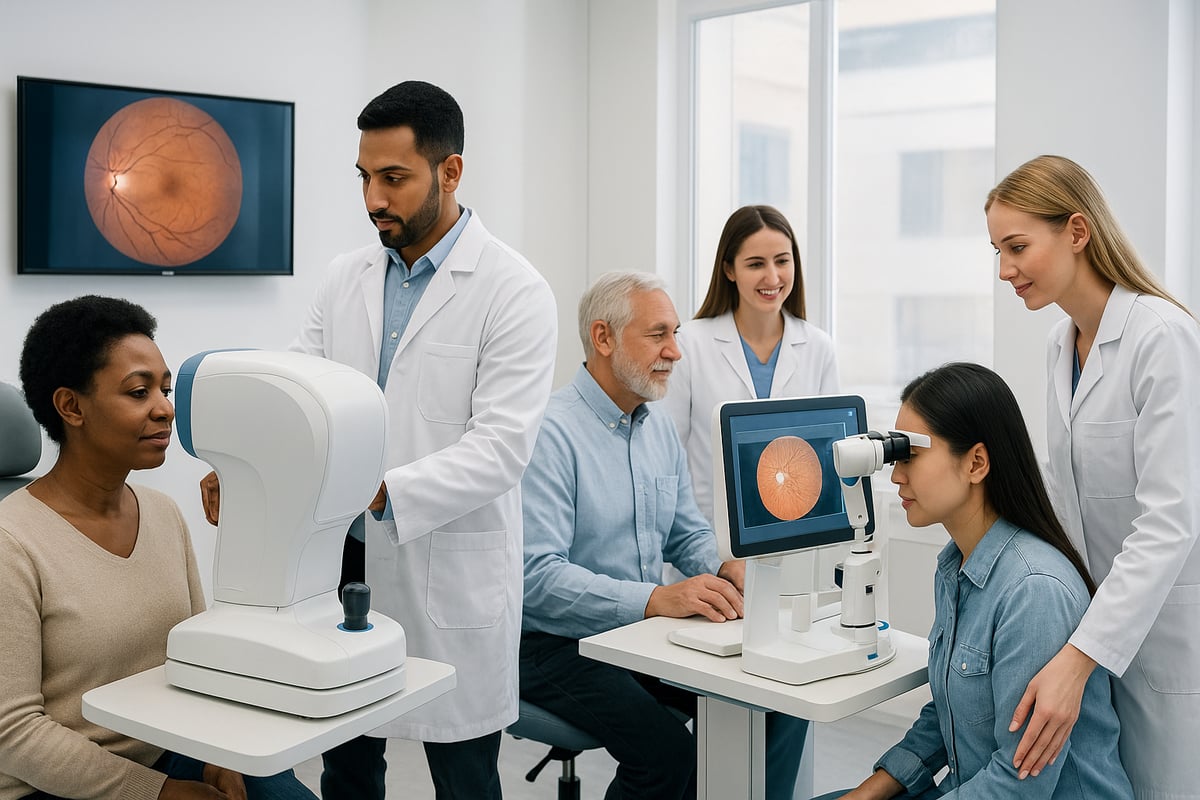
Technology is revolutionizing care for eye maladies. Artificial intelligence now assists doctors in detecting early signs of disease, analyzing retinal images with remarkable accuracy. Home-based monitoring devices empower patients to track vision changes and alert professionals if issues arise. Telehealth expands access to eye care, especially for rural or underserved populations.
Innovations like AI-generated tactile graphics help those with vision impairment gain greater independence, as highlighted in Advancements in AI for vision impairment. These advancements make early diagnosis and intervention possible, offering new hope for people facing eye maladies.
Personalized and Integrative Approaches
Personalized medicine is transforming how eye maladies are managed. Genetic testing can now identify individual risk factors, allowing for tailored prevention and treatment. Integrative therapies, including nutrition and lifestyle modifications, complement conventional care for better outcomes.
Regenerative medicine and gene therapy show promise for restoring vision lost to degenerative conditions. To explore modern and emerging therapies, visit Effective Eye Treatment Options. This personalized approach ensures that each patient receives the most effective care for their unique needs.
Global Initiatives and Access to Care
Efforts to address eye maladies are expanding worldwide. Organizations like the WHO and various NGOs are launching initiatives to reduce preventable blindness and provide affordable treatments. Education and advocacy campaigns aim to improve awareness of eye health, especially in low-income regions.
Access to advanced treatment options is increasing, narrowing the care gap between developed and developing countries. These global efforts are essential for ensuring everyone benefits from breakthroughs in eye maladies prevention and treatment.
As you’ve learned, protecting your eyesight in 2025 means staying ahead of new risks and taking proactive steps—whether it’s managing screen time, prioritizing nutrition, or exploring the latest treatments for conditions like macular degeneration and glaucoma. If you’re concerned about changes in your vision or want to discover personalized options for regaining lost sight, we’re here to support you. Our specialized MicroAcupuncture treatment in Tampa is designed to restore blood flow and activate dormant retinal cells, offering hope for those with degenerative eye conditions. If you’re ready to take the next step, Schedule A Free Phone Call today.