
Imagine waking up each day knowing your vision is protected for the future. Recent advances in science and technology now offer real hope for those seeking lasting eye health.
This essential help eye guide brings together the latest strategies, expert advice, and proven prevention tips to empower you in 2026.
Explore risk factors, daily habits, breakthrough therapies, and solutions for digital eye strain. Learn actionable steps for every age group so you can see the future clearly.
Vision problems are rising worldwide, but with the right knowledge and habits, you can take control. Start your journey to healthier eyes today.
Understanding Modern Eye Health Challenges
Vision health is facing unprecedented challenges in 2026. The landscape is shaped by both modern lifestyles and changing demographics. Understanding these threats is the first step to finding the right help eye solutions for every individual.
The Rise of Degenerative Eye Conditions
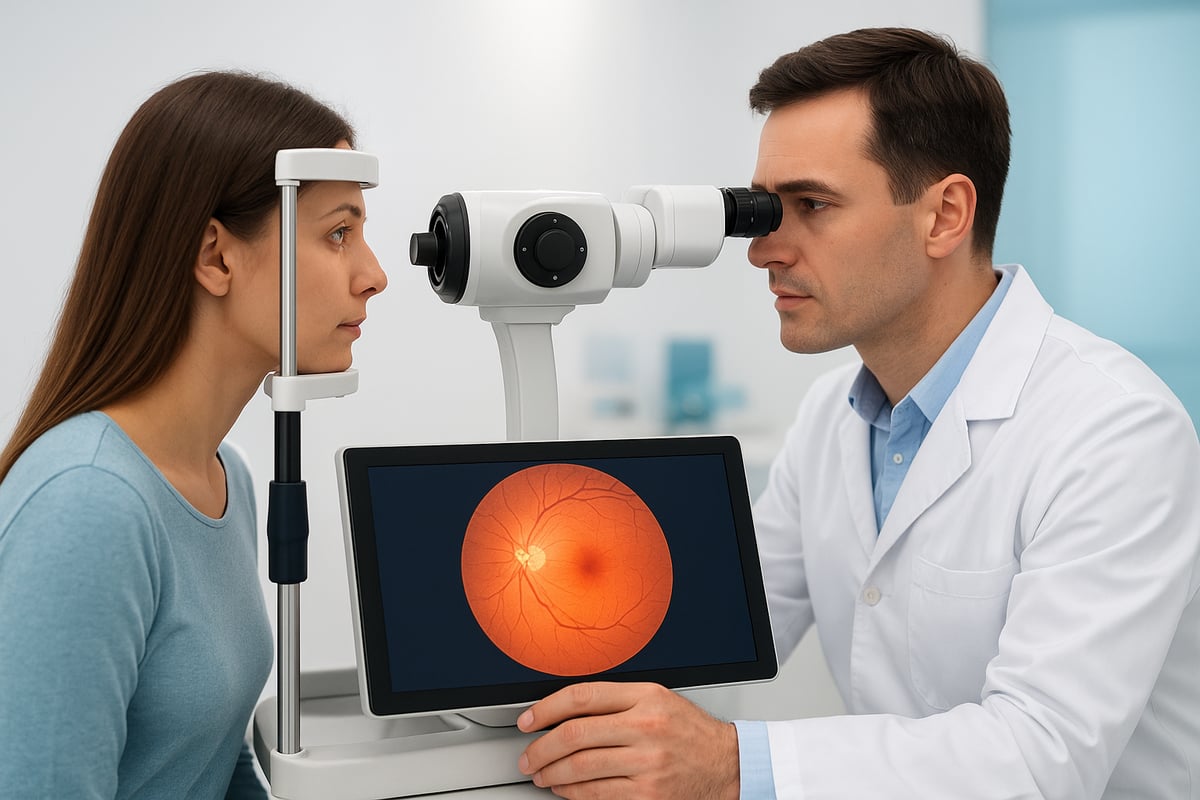
Degenerative eye diseases are becoming more common in every age group. Macular degeneration, glaucoma, and diabetic retinopathy are leading causes of vision loss worldwide. According to 2025 WHO data, over 2.2 billion people experience some form of vision impairment.
Several factors contribute to this trend: a rapidly aging population, increased exposure to screens, and environmental stressors. Many early symptoms are subtle, making regular screenings essential for those seeking help eye support. Genetics play a role, but lifestyle choices often determine your risk.
For a deeper understanding of these conditions and what you can do, see Degenerative Eye Disease Insights.
Digital Eye Strain in the 2020s
As digital device use rises, digital eye strain has become a daily concern for millions. Remote work and online learning mean more hours staring at screens. Symptoms include eye fatigue, dryness, blurred vision, and headaches.
The American Optometric Association reports that 58 percent of adults experience digital eye strain. Blue light’s impact is still debated, but practical steps can help eye comfort. Frequent breaks, adjusting screen brightness, and using artificial tears all reduce discomfort.
Simple habits make a difference. Recognizing the signs early ensures you can maintain healthy vision in a digital world.
Environmental and Lifestyle Contributors
Environmental and lifestyle factors are significant in shaping eye health today. UV exposure, pollution, and chronic stress are emerging as key risks. Poor nutrition, dehydration, smoking, and alcohol use can accelerate vision loss.
Urban populations tend to report higher rates of certain eye conditions than rural areas, emphasizing the need to help eye health in cities. Antioxidants, omega-3s, and staying hydrated support visual wellness. Making small changes in daily routines can protect your eyes for years to come.
Preventive Strategies for Lifelong Eye Health
Prioritizing prevention is the cornerstone of any effective help eye plan. Adopting smart daily habits, optimizing nutrition, scheduling regular eye exams, and managing chronic health issues can dramatically reduce your risk of vision loss. In this section, you will find practical steps tailored for every lifestyle and age.

Daily Eye Care Habits
Simple routines can make a significant difference in your help eye journey. The 20-20-20 rule—looking at something 20 feet away for 20 seconds every 20 minutes—reduces digital fatigue. Ensure your workspace has adequate lighting to prevent strain.
Blink frequently, especially during screen use, and try gentle eye exercises to maintain flexibility. For sports or hazardous environments, protective eyewear is a must. Quality sleep restores eye tissues and supports overall help eye function. For more detailed routines, explore these Effective Eye Care Practices.
Nutrition and Supplements
The food you eat directly influences help eye outcomes. Vitamins A, C, lutein, zeaxanthin, and zinc are crucial for retinal health. Leafy greens, fatty fish, carrots, and citrus fruits are excellent choices.
Hydration also plays a key role in tear production and comfort. Research, including the AREDS2 study, shows that targeted supplements can slow the progression of some degenerative eye diseases. Make sure your diet supports your help eye goals with a variety of nutrient-rich foods.
Regular Eye Examinations
Routine screenings are an essential part of any help eye strategy. Experts recommend a comprehensive eye exam every 1–2 years, depending on your age and risk factors. Exams typically include visual acuity tests, intraocular pressure measurements, and retinal imaging.
Early detection is critical, as many conditions develop without symptoms. Affordable care options and insurance coverage are available in most areas. Proactive checkups ensure that your help eye plan adapts as your needs change.
Managing Chronic Conditions
Chronic diseases like diabetes and hypertension can silently damage your eyes. Managing blood sugar and blood pressure is vital for retinal health. Monitor for medication side effects—steroids and antihistamines may increase risk.
Coordinating with your healthcare team can prevent vision loss and support your help eye goals. In high-risk patients, timely interventions have preserved vision and improved quality of life. Consistent management is the key to lifelong eye health.
Breakthrough Treatments and Technologies in 2026
Eye care has entered a new era, with 2026 bringing transformative breakthroughs that help eye health at every stage of vision loss. From novel drugs to futuristic devices, innovation is reshaping possibilities for patients worldwide.
Advances in Medical Therapies
The latest help eye treatments are changing the landscape for conditions like age-related macular degeneration, glaucoma, and diabetic retinopathy. New pharmacological agents offer better protection for retinal cells and longer-lasting results. Gene therapy and stem cell research now provide hope for restoring damaged tissue, especially in inherited retinal diseases.
Minimally invasive surgeries, such as laser therapy and micro-stents, reduce recovery times while preserving vision. Patients interested in the most up-to-date options can explore Innovative Eye Treatment Options for an overview of emerging therapies and clinical advances.
Innovations in Vision Restoration
Restoring sight is no longer just a dream. Bionic eyes and retinal implants are becoming more accessible, with real-world results showing improved function for some with profound vision loss. Regenerative medicine aims to reactivate dormant retinal cells, creating new hope for those with previously untreatable conditions.
Artificial intelligence is now an essential tool in diagnostics, enabling personalized treatment plans that help eye care teams detect subtle changes early. These technologies offer a lifeline to people who once faced inevitable vision decline.
Non-Invasive and Alternative Therapies
Not every help eye solution requires surgery or medication. Low-vision aids like electronic magnifiers and smart glasses empower individuals to maintain independence. Vision therapy, once reserved for children, now supports adults with eye strain, focusing problems, or neurological conditions.
Evidence-based complementary approaches are gaining attention, including acupuncture, targeted nutrition, and lifestyle modifications. These strategies can enhance traditional treatments, making a meaningful difference in daily life.
MicroAcupuncture: A Promising Complementary Solution
MicroAcupuncture is emerging as a unique help eye therapy for degenerative conditions. By stimulating specific points around the eyes, this technique aims to restore blood flow and activate retinal cells. Scientific research supports its foundation, and millions of treatments have been performed globally.

Ideal candidates include those with macular degeneration, retinitis pigmentosa, glaucoma, and optic nerve disorders. The process is non-surgical and tailored to individual needs, with safety and comfort as top priorities. Many patients have reported improved vision, and practitioner networks make access easier than ever.
Step-by-Step Guide to Protecting Your Eyes in 2026
Protecting your vision in 2026 demands more than routine care. This help eye guide walks you through practical steps, from risk assessment to leveraging technology, so you can take charge of your eye health at every stage of life. Let’s break down each essential step.
Step 1: Assess Your Risk Factors
Begin your help eye journey by identifying your unique risk factors. Family history, age, lifestyle, and medical conditions all influence your likelihood of developing vision problems.
Use online questionnaires and risk assessment tools to gain insight. Genetics play a role, but lifestyle choices often tip the balance. For a deeper understanding, review the Causes of Vision Deterioration to see how environment, habits, and chronic conditions can affect your eyes.
Step 2: Schedule a Comprehensive Eye Exam
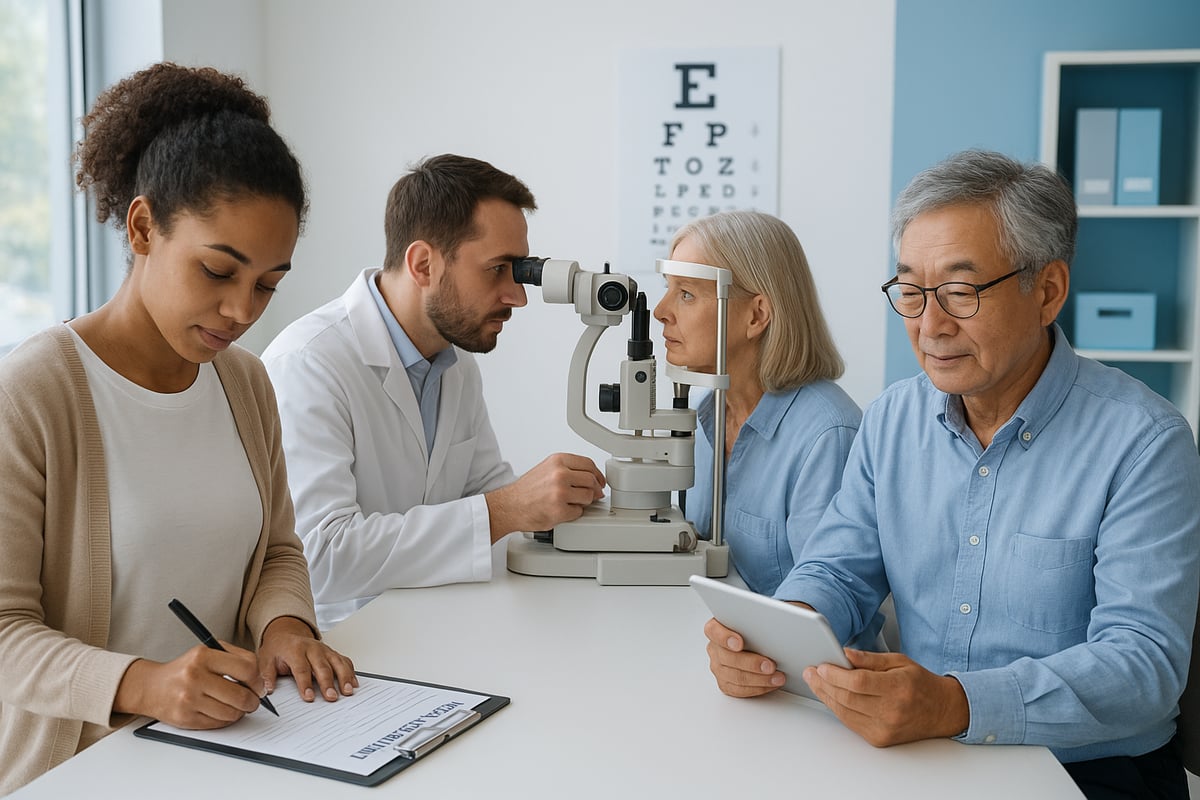
Book an appointment with a qualified optometrist or ophthalmologist. Comprehensive exams detect early signs of eye disease, even before symptoms appear.
Come prepared: bring previous prescriptions, a list of medications, and questions about your help eye concerns. Routine screenings are essential for personalized prevention.
Step 3: Implement Daily Preventive Habits
Adopt daily routines that support your help eye goals. Adjust your workspace lighting, follow the 20-20-20 rule, and blink often to reduce screen-induced dryness.
Include leafy greens, fish, and citrus fruits in your meals. Protective eyewear is vital for sports or hazardous tasks. Prioritize restful sleep for natural eye repair.
Step 4: Manage Underlying Health Issues
Chronic conditions like diabetes and hypertension can impact your help eye health. Work closely with your primary physician to control blood sugar and blood pressure.
Monitor side effects from medications, such as steroids or antihistamines, which may affect vision. Proactive management is crucial for long-term eye protection.
Step 5: Explore Treatment Options if Needed
If you notice vision changes, compare conventional treatments with alternative therapies. Ask your specialist about the latest technologies and ongoing clinical trials.
Stay open to both established and emerging options. Informed decisions ensure the best help eye outcomes for your specific needs.
Step 6: Leverage Technology for Monitoring and Support
Utilize mobile apps for eye exercises, reminders, and virtual follow-ups. Wearables can track eye health metrics like blink rate and screen exposure.
Technology empowers you to monitor changes, access professional guidance, and stay engaged in your help eye care between appointments.
Step 7: Stay Informed and Advocate for Your Eye Health
Follow trusted sources for the latest research and treatment innovations. Join support groups and advocacy organizations to share experiences and stay motivated.
Being proactive with your help eye journey means seeking knowledge and building a support network. Your commitment today shapes your vision for tomorrow.
Special Considerations for Different Age Groups
Supporting healthy vision means recognizing that every age brings unique needs. Understanding how to help eye wellness at each stage can make all the difference for lifelong sight.
Children and Teens
Childhood is a critical window to help eye development thrive. The growing myopia epidemic is linked to increased screen time and less outdoor play. Encourage at least two hours of outdoor activity daily to slow myopia progression.
Vision screenings should start before school age, as undetected issues can affect learning. Limiting digital exposure and using the 20-20-20 rule can help eye comfort during homework or gaming.
Parents can foster healthy habits by modeling good screen use and scheduling regular checkups. Early action ensures children have the best chance for strong vision and academic success.
Adults (20s–50s)
For adults, balancing busy work and home lives often leads to overlooked eye health. Long hours on computers or using contact lenses can trigger dry eye and computer vision syndrome. Practicing regular breaks and maintaining proper hydration can help eye function stay sharp.
Hormonal shifts, such as during pregnancy or menopause, may change vision or increase dryness. It is important to monitor these changes and consult a professional if symptoms persist.
Spotting early signs of chronic conditions is key. Adults should prioritize comprehensive eye exams, especially if they have a family history of eye disease or systemic health concerns.
Seniors (60+)
Aging increases the risk of macular degeneration, cataracts, and glaucoma. According to global vision impairment statistics, seniors account for most cases of severe vision loss.
Adapting the home with better lighting and contrast can help eye safety and independence. Seniors benefit from large-print materials and magnifiers for daily tasks.
Community resources and vision rehabilitation services are vital. They provide support, education, and adaptive tools, empowering seniors to maintain quality of life despite vision changes.
Tips for Caregivers
Caregivers play a vital role in supporting loved ones’ vision. Learning to recognize subtle changes can help eye problems get addressed early.
Coordinate medical appointments and ensure medication schedules are followed. Emotional support is just as important—vision loss can impact mental health and confidence.
Stay informed about the latest treatments and community programs. Being proactive means you can help eye health for your loved one at every stage of their journey.
If you’re navigating the challenges of vision loss or want to take proactive steps for your eye health, you’re not alone. We’ve explored how new treatments, preventive habits, and innovations like MicroAcupuncture can help you protect and even restore your eyesight in 2026. If you have questions about your specific condition or want to learn if our approach is right for you, I encourage you to Schedule A Free Phone Call. This is a friendly, no obligation opportunity to discuss your needs and discover how you can take control of your eye health moving forward.