
Imagine waking up in 2026 to a world where vision loss is no longer your destiny. Advances in science and technology offer new hope, making the journey to healthier eyes more achievable than ever.
This essential guide brings you the most current help for eyes, with practical strategies and the latest breakthroughs designed to protect and restore your sight.
Discover how modern treatments, prevention tips, and expert insights can transform your approach to eye health. Let this guide empower you with clear steps and trusted resources so you can take control of your vision today.
The State of Eye Health in 2026
Imagine a world where the outlook for vision is changing rapidly. In 2026, understanding the state of eye health is crucial for anyone searching for help for eyes. New data, technologies, and care models are shaping the landscape for millions.
Prevalence of Eye Conditions
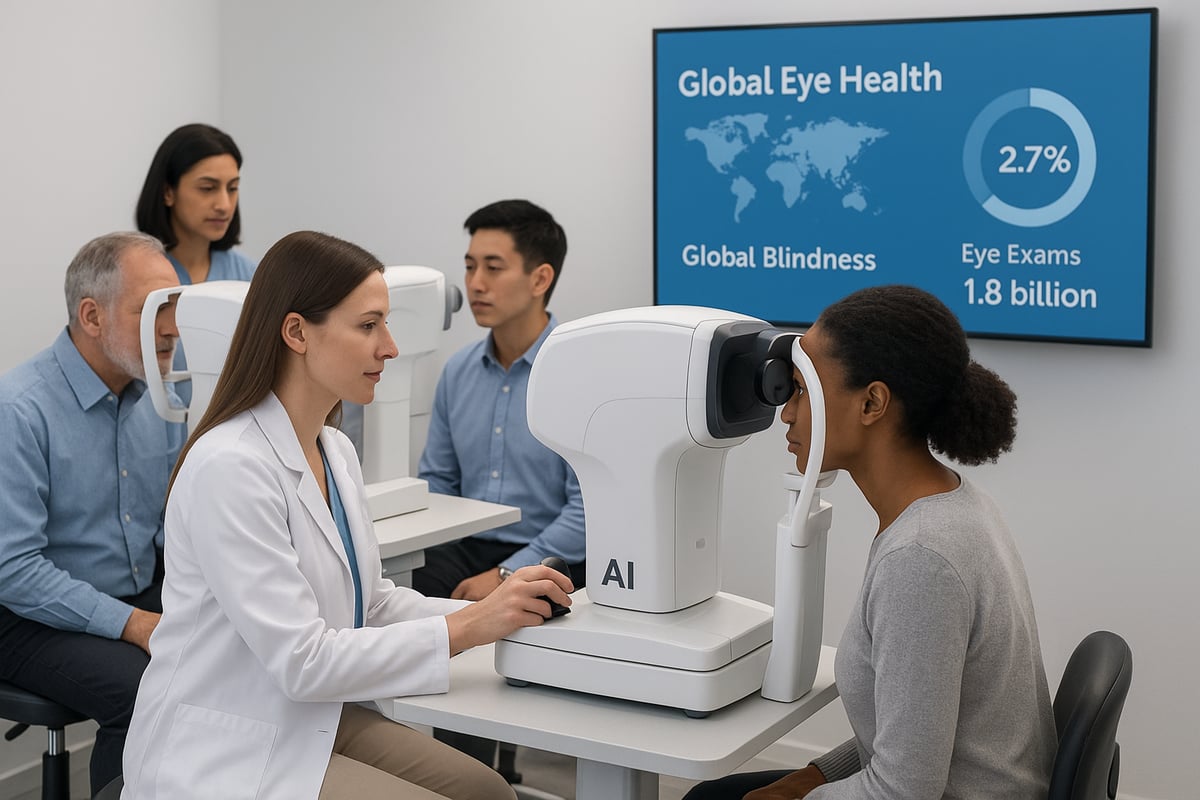
The number of people living with vision impairment continues to rise globally. Myopia, macular degeneration, glaucoma, and diabetic retinopathy are increasingly common. According to the Global vision impairment statistics, over 2.2 billion individuals have some form of vision loss. Aging populations and more time on digital devices are major factors. For those seeking help for eyes, recognizing these trends is vital to proactive care.
Technological Advances in Diagnosis
Breakthroughs in technology are transforming how eye conditions are detected. AI-powered retinal imaging now allows for earlier, more accurate diagnosis. Teleophthalmology is making specialist consultations possible from home, while smart vision screening tools are available for in-home use. These innovations mean that help for eyes is more accessible and efficient than ever, improving outcomes across diverse populations.
Major Risk Factors in 2026
Several key risk factors are impacting eye health in 2026. Digital eye strain is a growing concern, fueled by increased device use for work and leisure. Environmental pollutants and UV exposure also threaten vision. Genetics and chronic illnesses like diabetes play a significant role. Recognizing these risks is essential for anyone looking for help for eyes, as targeted prevention can slow or stop progression.
Societal Impact and Economic Costs
Vision loss has far-reaching effects on society. It can lead to reduced productivity and loss of independence, especially among older adults. The global economic burden of vision impairment is projected to surpass $400 billion each year. Disparities in access to eye care remain a pressing issue, with rural and low-income communities most affected.
Success Stories and Progress
There are inspiring success stories in the fight for better vision. Countries with robust screening programs have achieved significant reductions in preventable blindness. Patients receiving early treatment now experience much better outcomes. Community-based initiatives are delivering measurable improvements, showing that help for eyes is making a difference in many regions.
Key Challenges Remaining
Despite progress, challenges persist. Many rural and low-income populations still lack access to quality eye care. Asymptomatic conditions often go undiagnosed until advanced stages. Ongoing public health education is needed to ensure everyone understands the importance of regular eye exams and early intervention.
Essential Daily Habits for Healthy Eyes
Daily choices have a profound impact on your vision. By adopting evidence-based routines, you can safeguard your eyes from common threats and foster lifelong ocular wellness. Explore these essential habits, each designed to provide help for eyes in 2026 and beyond.

Nutrition for Vision
The right diet offers powerful help for eyes. Antioxidants like lutein, zeaxanthin, and vitamin A protect retinal cells from damage. Regularly eating leafy greens, peppers, and fish high in omega-3s can reduce the risk of macular degeneration. Proper hydration supports tear production, keeping eyes moist and comfortable.
- Leafy greens: spinach, kale
- Fish: salmon, sardines
- Nuts and seeds: almonds, flaxseed
These foods help for eyes by providing essential nutrients that support long-term vision health.
Eye Protection Strategies
Physical and environmental protection is crucial. Wearing UV-blocking sunglasses shields eyes from harmful rays, while blue light filters can reduce digital exposure. Safety goggles should be worn during sports or hazardous tasks. In fact, up to 90 percent of eye injuries are preventable with the right protection.
For more detailed daily maintenance advice, the Eye Care and Maintenance Tips page offers practical guidance that complements these strategies.
Managing Screen Time
Digital devices are essential, but overuse can strain your eyes. The 20-20-20 rule—looking 20 feet away for 20 seconds every 20 minutes—helps alleviate digital fatigue. Adjusting brightness and contrast on screens also reduces discomfort. Studies show that 65 percent of adults experience digital eye strain, so mindful management is vital for help for eyes.
Sleep and Eye Health
Sleep is restorative for the entire body, including your vision. Inadequate rest can lead to dry eyes, twitching, and blurred vision. Practicing good sleep hygiene, like maintaining a consistent bedtime and limiting screens before sleep, will help for eyes by allowing ocular tissues to repair overnight.
Regular Eye Exercises
Simple routines such as palming, focusing on near and distant objects, and guided eye movement can enhance flexibility and reduce fatigue. Evidence supports that these exercises help for eyes by improving accommodation and reducing tension. Incorporate them into daily breaks for best results.
- Palming: Rub hands together and gently cup eyes
- Focus shifts: Alternate between near and far objects
- Circular movements: Slowly move eyes in circles
Annual Eye Exams
Routine comprehensive eye exams are a cornerstone of preventive care. Early detection of asymptomatic conditions can be life-changing. Adults under 40 should have exams every two years, while those over 40 or at risk need yearly checks. Many insurance plans and community clinics offer affordable options, making it easier to access help for eyes.
Breakthrough Treatments and Technologies
Innovations in eye health are rapidly transforming what is possible for those seeking help for eyes in 2026. The latest advances range from gene therapy to smart wearables, offering renewed hope and improved outcomes for millions worldwide.
Gene Therapy and Regenerative Medicine
Gene therapy is revolutionizing help for eyes, especially for inherited retinal diseases. FDA-approved treatments, such as Luxturna for RPE65 mutation-associated retinal dystrophy, are restoring sight where none was possible before. Stem cell transplants are also showing promise in regenerating damaged retinal cells.
Recent deals, like Eli Lilly's partnership for new gene therapies, signal ongoing investment in this field. Patients with previously untreatable conditions are experiencing meaningful vision gains, opening new chapters in eye care.
Advanced Pharmacological Treatments
Help for eyes now includes advanced medications designed for sustained impact. New anti-VEGF drugs are improving outcomes for wet macular degeneration, while sustained-release implants are changing the management of glaucoma and diabetic retinopathy.
Clinical trials demonstrate higher rates of vision preservation and fewer office visits. These innovations reduce treatment burden and support long-term eye health.
Innovative Surgical Procedures
Surgical advancements are critical in delivering help for eyes. Minimally invasive glaucoma surgeries (MIGS) reduce recovery times and risk. Laser-assisted cataract surgery, with premium intraocular lenses, improves both safety and visual outcomes.
Robotic and precision-guided microsurgery are also emerging, offering unparalleled accuracy for complex cases. Patients benefit from less invasive procedures and faster visual recovery.
Smart Wearables and Assistive Devices
The development of smart wearables brings help for eyes into daily life. AI-driven smart glasses offer navigation assistance for those with low vision. Portable electronic magnifiers and voice-enabled reading aids help users regain independence.
These devices integrate seamlessly into routines, allowing individuals to perform tasks that were once out of reach. Greater accessibility and user-friendly designs are making a real difference.
Digital Therapeutics and Remote Monitoring
Digital therapeutics provide new help for eyes through mobile apps and telemedicine. Vision therapy apps target specific conditions, while remote monitoring tools improve adherence and detect issues early.
Telemedicine follow-ups reduce travel barriers and ensure ongoing specialist care. Studies show that remote monitoring leads to better patient engagement and outcomes.
MicroAcupuncture: An Integrative Approach for Degenerative Eye Conditions
MicroAcupuncture represents a unique, evidence-based approach for degenerative eye diseases. This therapy aims to restore blood flow and stimulate dormant retinal cells, supporting help for eyes where conventional options may be limited.
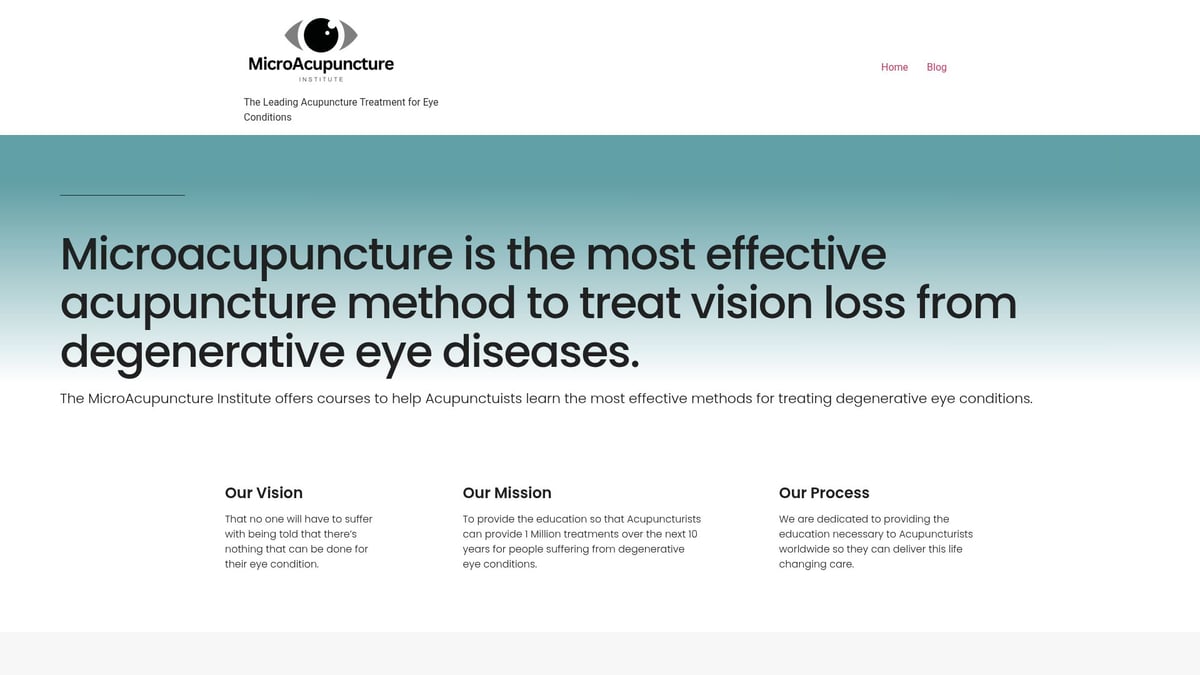
Clinical examples highlight vision improvements in patients previously told nothing more could be done. The MicroAcupuncture Institute trains practitioners and connects patients globally, ensuring accessibility and integration with other treatments for enhanced results.
Step-by-Step Guide: What to Do If You Notice Changes in Your Vision
If you are searching for help for eyes because your vision has changed, you are not alone. Acting quickly is key to protecting your sight. This step-by-step guide will walk you through what to do when you notice any changes in your vision, ensuring you get the right support and care.
Step 1: Recognize Early Warning Signs
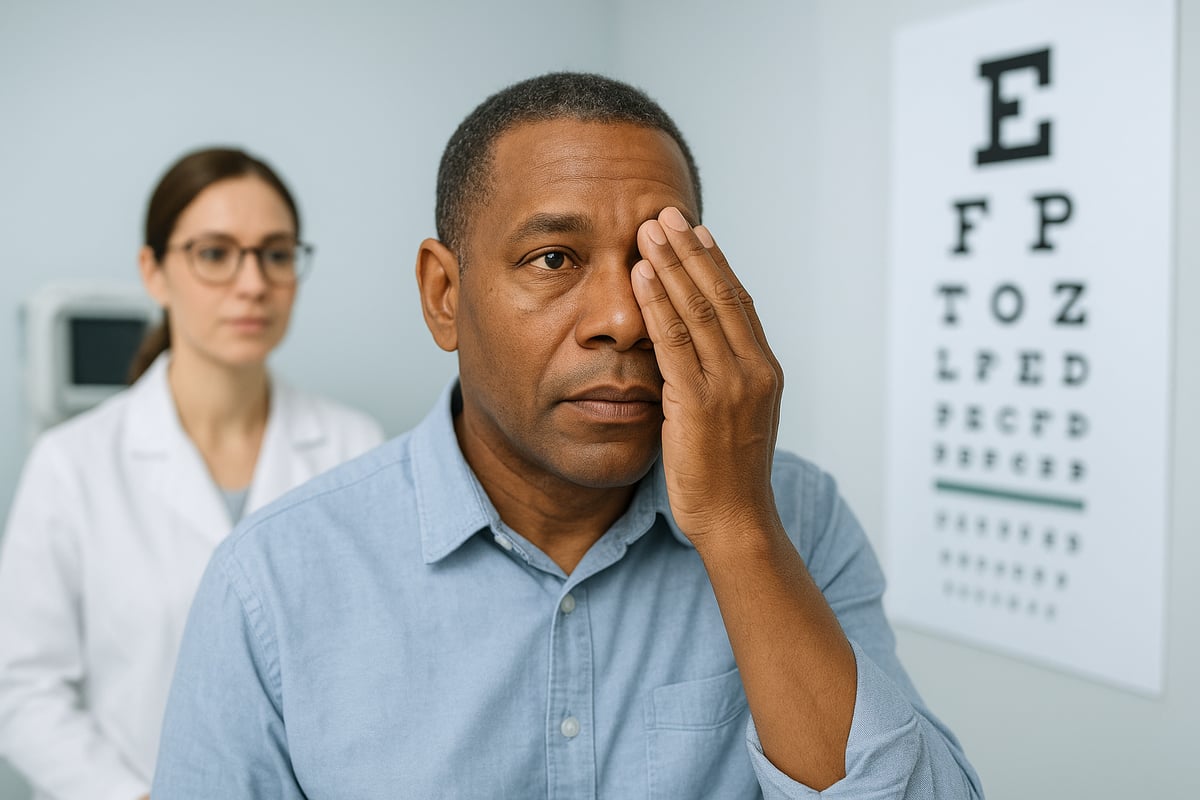
Early detection is crucial when seeking help for eyes. Be alert for symptoms like blurred vision, sudden floaters, flashes of light, or a noticeable drop in clarity.
Track when these symptoms start and how often they occur. Keeping a simple log can help your eye care provider understand your situation better.
If you experience sudden vision loss, double vision, or severe pain, seek immediate medical attention. Quick action can make a difference in preserving your eyesight.
Step 2: Schedule a Comprehensive Eye Exam
Once you notice changes, book a comprehensive eye exam with a qualified optometrist or ophthalmologist. Finding a trusted professional is essential for accurate diagnosis and effective help for eyes.
During the exam, expect tests for visual acuity, eye pressure, and possibly pupil dilation. Advanced imaging may also be performed to get a detailed look at your retina and optic nerve health.
Do not delay this appointment, even if symptoms seem minor. Early evaluation can reveal underlying problems before they become serious.
Step 3: Follow Diagnostic Recommendations
After your exam, your eye care provider may suggest further tests, such as Optical Coherence Tomography (OCT), visual field assessments, or specialized retinal imaging. These tests help pinpoint the cause of your symptoms and guide the next steps for help for eyes.
Ask your provider to explain the results and what they mean for your vision. Understanding your diagnosis will empower you to make informed decisions about treatment and lifestyle changes.
Step 4: Explore Treatment Options
Work with your doctor to review all available medical, surgical, and integrative therapies. Ask about the risks, benefits, and expected outcomes for each option. For more insights, you can explore Effective Eye Treatments, which details proven therapies for various eye conditions.
Do not hesitate to seek a second opinion if you are unsure about the recommended approach. Your comfort and understanding are important in your treatment journey.
Step 5: Implement Lifestyle Adjustments
Alongside medical care, make changes to support your vision. Adjust your diet to include eye-friendly nutrients, manage screen time, and wear protective eyewear as needed. These steps can complement professional help for eyes and promote long-term health.
Consider joining a support group or connecting with vision rehabilitation services if you need extra guidance. Small adjustments can make a big impact on your quality of life.
Step 6: Monitor and Maintain Eye Health
Stick to your treatment plan and attend all follow-up appointments. Use digital tools or a journal to track symptoms and progress, which can help your provider tailor ongoing help for eyes.
Regular monitoring ensures early detection of any new issues and keeps your care on the right track. Stay proactive about your eye health to protect your vision for years to come.
Prevention and Early Intervention Strategies
Prevention and early intervention are the foundation of lasting vision health. By taking proactive steps, you can greatly reduce your risk of developing common eye conditions. Understanding risk factors, managing health, and following best practices will provide critical help for eyes at every age.
Public Health Initiatives and Awareness
Public health campaigns are vital for spreading awareness about regular eye screenings and early intervention. National and local programs now provide vision checks in schools and workplaces, making it easier to get help for eyes before problems progress. Community outreach in underserved areas further bridges gaps in care. Learning about the causes of vision deterioration helps individuals make informed choices to protect their sight.
Genetic and Family Risk Management
Genetic factors play a significant role in eye health. If a family member has an inherited eye condition, proactive screening is essential. Genetic testing is now more accessible and can identify risks early. For families seeking help for eyes, discussing family history with your eye care provider ensures tailored prevention strategies and timely monitoring for at-risk individuals.
Diabetes and Chronic Disease Management
Managing chronic diseases, especially diabetes, is key to maintaining good vision. Uncontrolled blood sugar can lead to diabetic retinopathy and other issues. Coordinated care between your primary physician and eye specialist offers the best help for eyes, reducing the likelihood of complications. Regular eye exams, combined with healthy lifestyle choices, protect your vision long term.
Workplace and Environmental Safety
Protecting your eyes at work and home is increasingly important. Adhering to safety standards in hazardous occupations can prevent injuries. Limiting exposure to blue light from screens and shielding eyes from environmental toxins also preserves ocular health. Simple steps, like using protective eyewear, are crucial for avoiding preventable vision problems and maintaining healthy eyes.
Vaccinations and Infection Prevention
Vaccines play a vital role in preventing infectious causes of vision loss, such as measles and rubella. Practicing good hygiene, especially with contact lenses, further reduces risks. Early intervention and proper preventive care keep infectious threats at bay, ensuring your eyes remain healthy and your vision protected for years to come.
Resources and Support for People with Vision Loss
Navigating vision loss can feel overwhelming, but a wide range of resources and support systems are available to make daily life easier. Whether you are newly diagnosed or have been living with vision changes for years, help for eyes comes in many forms, offering hope and practical solutions.
Rehabilitation and Low Vision Services
Professional rehabilitation and low vision services are essential for maintaining independence. Orientation and mobility training help individuals navigate their environment safely. Assistive technologies, like screen readers and magnifiers, allow for easier access to reading materials and digital content.
Many clinics offer personalized plans to maximize remaining vision. These services empower people to adapt to new challenges and maintain an active lifestyle.
Support Groups and Counseling
Emotional support is just as important as practical assistance. Support groups connect people facing similar experiences, reducing feelings of isolation. Professional counseling can help adjust to vision loss, manage anxiety, and build resilience.
Peer networks provide a safe space to share tips, resources, and encouragement. This sense of community can be a vital part of help for eyes.
Financial and Insurance Assistance
Accessing quality eye care and assistive devices can be costly, but financial assistance is available. Government programs, non-profit organizations, and local agencies offer support for treatments, devices, and transportation.
Understanding insurance coverage is crucial. Many plans now include vision rehabilitation, making help for eyes more accessible to those in need.
Educational and Workplace Accommodations
Education and workplace accommodations ensure equal opportunities for people with vision loss. Legal protections, such as the Americans with Disabilities Act (ADA), mandate accessible learning and employment environments.
Tools like braille textbooks, screen magnifiers, and adaptive software support academic and professional success. Employers and schools must provide reasonable adjustments to foster inclusion.
Finding Trusted Information and Expert Care
Finding reliable information and qualified professionals is key to managing vision health. Reputable websites, helplines, and advocacy organizations can guide you to the right resources. For those interested in learning more about chronic eye conditions, the Degenerative Disease in Eyes page provides in-depth, expert-reviewed insights.
Always verify the credentials of eye care providers before seeking treatment. Access to accurate information is a cornerstone of help for eyes.
As we look ahead to 2026, it’s clear that staying proactive about your eye health can make all the difference—especially if you or a loved one are facing degenerative eye conditions like macular degeneration, retinitis pigmentosa, or glaucoma. You now have access to advanced options like MicroAcupuncture, which is designed to help restore vision by revitalizing blood flow and awakening dormant retinal cells. If you’re ready to take a meaningful step toward clearer sight or simply want to explore your options with an expert, I invite you to Schedule A Free Phone Call to discuss your needs and get personalized guidance.