
Imagine discovering a pathway to wellness that is gentle, rooted in science, and gaining momentum worldwide. This is the promise of microacupuncture, a modern approach that is captivating attention in clinics and wellness centers everywhere.
In 2026, microacupuncture is transforming the way we view health, offering a holistic solution for chronic conditions and preventative care. As you explore this comprehensive guide, you will learn what microacupuncture is, the science behind it, and the step-by-step process of treatment.
We will delve into real-world results, tips for choosing a practitioner, and the latest trends shaping the future of microacupuncture. Ready to unlock a new level of wellbeing? Let’s begin your journey.
What is Microacupuncture? Foundations & Principles
Microacupuncture is reshaping the landscape of holistic health, offering targeted solutions for chronic and complex conditions. To understand its growing impact in 2026, let us explore its roots, principles, key differences from traditional acupuncture, scientific backing, and those who can benefit most.
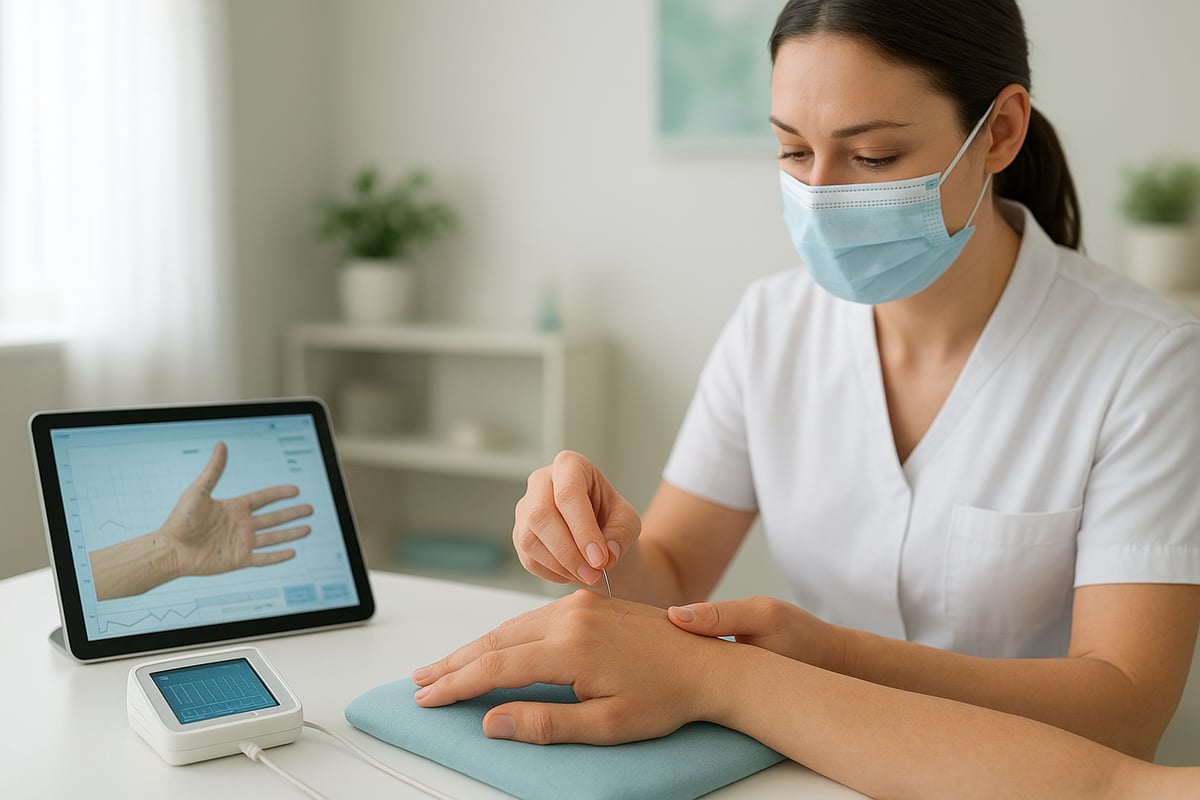
Origins and Evolution of Microacupuncture
Microacupuncture emerged as a specialized branch of traditional acupuncture, focusing on precise points within specific body regions. Its development began in the late 20th century when practitioners identified microsystems in the hands, feet, and scalp that could influence broader physiological functions.
Key innovators, particularly in China and Europe, formalized microacupuncture protocols for conditions less responsive to classical methods. Unlike traditional acupuncture, which uses full-body meridians, microacupuncture targets localized networks. Over the years, global adoption has surged, especially for vision disorders and neuropathies. Notable clinical applications include managing degenerative eye diseases and supporting neurological recovery.
Core Principles and How Microacupuncture Works
At its core, microacupuncture operates on stimulating microsystems—small, defined areas that represent the whole body. Practitioners insert fine needles into precise points on the hands, feet, or scalp, aiming to trigger systemic healing responses.
This approach is grounded in the theories of meridians, Qi (vital energy), and neurovascular nodes. By activating these microacupuncture points, practitioners can influence distant organs and systems, promoting balance and repair. Beyond pain relief, common conditions addressed include vision loss, neuropathy, autoimmune disorders, and stress-related illnesses. For those seeking a deeper understanding, the MicroAcupuncture Institute overview offers authoritative insights into the science and practical applications of microacupuncture.
Microacupuncture vs. Traditional Acupuncture
Comparing microacupuncture to traditional acupuncture highlights several distinct features:
| Feature | Microacupuncture | Traditional Acupuncture |
|---|---|---|
| Needle Size & Depth | Finer, shallow insertion | Standard, deeper insertion |
| Technique | Precision targeting | Broad meridian approach |
| Session Duration | Often shorter | Varies, often longer |
| Patient Experience | Less discomfort | May have stronger sensation |
| Safety Profile | High, with minimal risk | Well-established safety |
Microacupuncture is especially suitable for patients with localized symptoms, vision loss, or neurological issues. For example, it is now a frontline approach for conditions like retinitis pigmentosa and certain neuropathies.
Scientific Evidence and Clinical Research
Recent research continues to validate microacupuncture’s efficacy. Studies show significant improvements in pain, vision, and neuropathic symptoms among diverse patient groups. Meta-analyses report that up to 70 percent of participants experience measurable benefits, with few adverse events.
The safety profile is strong, with minor side effects such as temporary redness or mild discomfort. However, researchers note limitations, such as small sample sizes and the need for more randomized controlled trials. Leading health organizations recognize microacupuncture as a promising complementary therapy, especially for chronic and degenerative conditions.
Who Can Benefit from Microacupuncture?
Microacupuncture is recommended for individuals with chronic pain, neurological disorders, and degenerative eye conditions. Elderly patients, children, and those seeking preventative care also benefit from its gentle, non-invasive approach.
Success stories highlight improvements in vision, mobility, and overall wellness. For example, studies report that over 65 percent of patients with age-related macular degeneration see functional gains. Wellness seekers turn to microacupuncture for stress management and immune support, cementing its place in holistic care for 2026.
The Microacupuncture Treatment Process: Step-by-Step in 2026
Navigating the microacupuncture treatment process in 2026 is streamlined, patient-centered, and informed by the latest advancements. Each step, from your first consultation to ongoing wellness integration, is designed for optimal results and comfort.

Step 1: Initial Consultation & Assessment
Your microacupuncture journey begins with a comprehensive consultation. The practitioner carefully reviews your health history and listens to your treatment goals. Key diagnostic techniques include:
- Pulse and tongue analysis
- Digital imaging for targeted insights
- AI-assisted symptom assessment
For example, a patient seeking relief from chronic migraines would undergo a detailed intake, ensuring all contributing factors are understood. Clear communication sets realistic expectations for microacupuncture outcomes.
Step 2: Personalized Treatment Planning
Based on your assessment, a customized microacupuncture plan is developed. The practitioner maps specific microsystem points—often on the hands, feet, or scalp—to address your unique needs.
For degenerative eye conditions, protocols are tailored using the latest clinical research. Integration with conventional care is common, enhancing overall effectiveness. Frequency and duration of sessions are discussed transparently.
To explore more about targeted approaches, see these degenerative eye disease insights.
Step 3: The Microacupuncture Session
During your microacupuncture session, comfort and precision are prioritized. The environment is calming, with gentle lighting and supportive amenities.
The practitioner inserts ultra-fine needles at mapped points, achieving precise depth for maximum benefit. Patients may feel a mild tingling or warmth. Adjunct therapies, such as electrostimulation or localized heat, are sometimes included. Sessions typically last 30 to 45 minutes, with relaxation encouraged throughout.
Step 4: Monitoring Progress and Adjustments
Progress is closely tracked after each microacupuncture session. Patients report symptom changes, while practitioners use digital health tools for objective monitoring.
Treatment plans are adjusted as needed, ensuring ongoing alignment with your health goals. For example, improvements in visual acuity are documented regularly for those addressing eye health. Reassessment intervals are scheduled to maintain momentum and optimize results.
Step 5: Integrating Microacupuncture into Holistic Wellness
Microacupuncture is most effective when combined with lifestyle changes. Practitioners offer guidance on:
- Nutrition and hydration
- Stress management techniques
- Exercise routines tailored to individual needs
Education empowers you to maintain progress between sessions. Preventative care strategies and community resources support lasting wellness. For stress management, a comprehensive plan might include breathing exercises and participation in support groups.
Microacupuncture for Eye Health and Vision Restoration
Imagine regaining clarity and confidence in your vision through a gentle, targeted therapy. Microacupuncture is rapidly emerging as a beacon of hope for those facing degenerative eye conditions. This section explores how microacupuncture is changing the landscape of eye health and vision restoration.
How Microacupuncture Supports Eye Health
Microacupuncture leverages targeted stimulation of microsystem points to promote better eye health. By improving blood flow, reducing inflammation, and stimulating retinal cells, microacupuncture aims to slow or reverse vision loss. Commonly treated conditions include macular degeneration, glaucoma, retinitis pigmentosa, and diabetic retinopathy.
Clinical trials and patient reports demonstrate measurable improvements. For example, some patients have shown increased visual acuity and contrast sensitivity after a series of sessions. Compared to many conventional therapies, microacupuncture offers a non-pharmaceutical, minimally invasive approach. For a deeper look at effective eye treatment options, explore recent clinical results that highlight its growing success.
MicroAcupuncture Institute: Pioneering Eye Health Solutions
The MicroAcupuncture Institute stands at the forefront of advancing microacupuncture for vision restoration. Their mission centers on education, innovation, and accessibility. The Institute offers specialized training for practitioners, equipping them to address complex degenerative eye diseases with confidence.
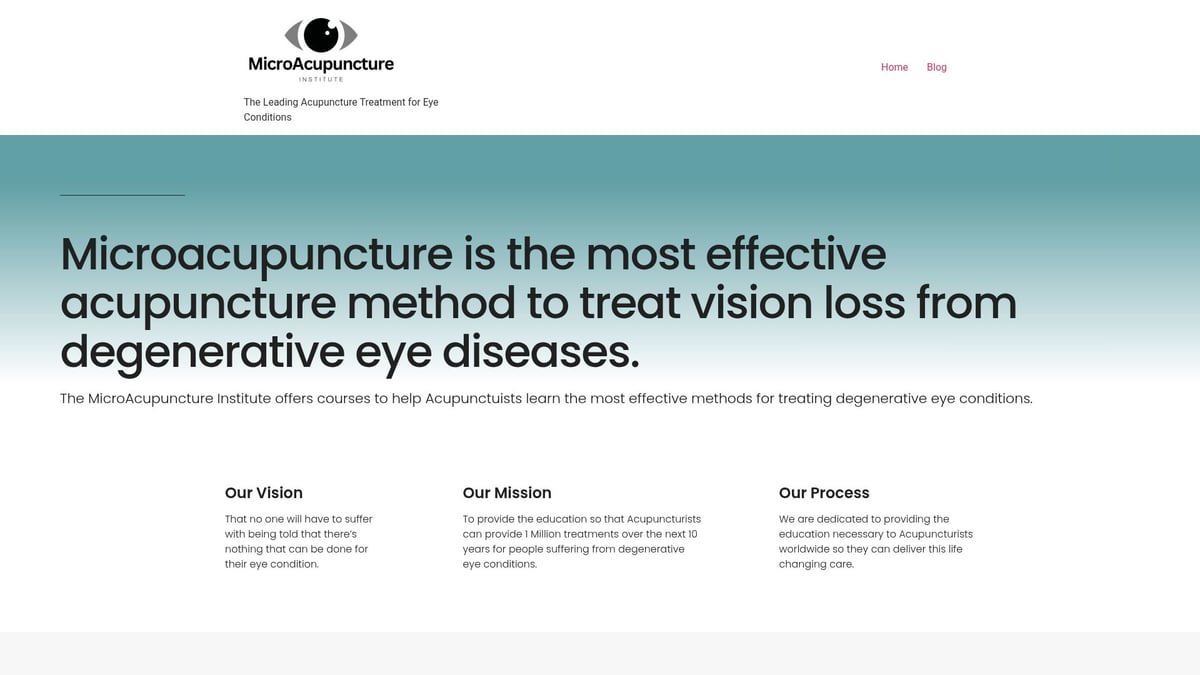
Globally, the Institute has pledged to deliver one million treatments over ten years, reflecting its commitment to evidence-based care. Patients benefit from referral resources and access to expertly trained practitioners worldwide. Success rates for eye conditions such as macular degeneration and diabetic retinopathy are particularly promising, with many reporting stabilization or improvement in vision after treatment.
Real-World Results: Patient Stories & Outcomes
Patients often share remarkable stories of visual improvement after microacupuncture. Before-and-after data, such as gains in visual acuity scores, provide objective evidence of its impact. Many individuals report enhanced quality of life, including greater independence and reduced anxiety about progressive vision loss.
Common challenges, like adapting to new routines or managing expectations, are addressed through ongoing support and education. A typical patient journey might begin with a diagnosis of vision loss, followed by tailored microacupuncture sessions and regular progress assessments, ultimately leading to measurable vision gains.
Safety, Risks, and Considerations for Eye Conditions
Microacupuncture is generally considered safe when performed by qualified practitioners. Adverse events are rare and typically mild, such as slight bruising or temporary discomfort. Practitioners follow strict safety protocols and regulatory guidelines to protect patient well-being.
Contraindications include severe bleeding disorders or active infections near the treatment site. Practitioner qualifications and ongoing training are crucial in minimizing risks. In rare cases of adverse events, prompt management and clear communication ensure patient safety remains the top priority.
Choosing a Qualified Microacupuncture Practitioner in 2026
Selecting the right microacupuncture practitioner is essential for safety and optimal results. The landscape in 2026 offers more choices than ever, making due diligence a critical first step.

Credentials and Training to Look For
When considering microacupuncture, always verify your practitioner's credentials. Look for current licensure in acupuncture or Oriental medicine, and confirm they have specialized microacupuncture training. Many reputable practitioners display certificates in their offices or provide documentation upon request.
Ask about their education, clinical experience, and continuing professional development. For comprehensive standards, consult resources such as the NCCIH on credentialing and licensing to understand what is required in your location.
A qualified microacupuncture provider should openly discuss their background, answer questions about their approach, and share examples of successful patient outcomes.
Clinic Standards and Patient Experience
High standards in a microacupuncture clinic ensure your safety and comfort. The environment should be clean, with sterilized equipment and modern furnishings. Practitioners must use single-use needles and follow strict hygiene protocols.
Expect clear communication about your treatment plan, potential risks, and follow-up care. Many clinics in 2026 use digital tools for appointment scheduling, progress tracking, and secure patient records.
Your first visit should feel welcoming, with staff prepared to address concerns and explain each step of your microacupuncture journey.
Cost, Insurance, and Accessibility
Understanding the costs of microacupuncture is vital to planning your care. Session prices vary by region, practitioner experience, and treatment complexity. Many clinics offer package pricing or sliding scales to improve affordability.
Increasingly, insurance providers are recognizing microacupuncture's benefits, leading to broader coverage and reimbursement options. Urban centers typically offer more choices, but telehealth and outreach programs are expanding access in rural areas.
Compare microacupuncture costs to other therapies, considering both immediate expenses and long-term health benefits.
Telehealth and Remote Consultations
Telehealth has revolutionized access to microacupuncture in 2026. Many practitioners now offer virtual consultations for initial assessments, progress check-ins, and wellness guidance.
Remote sessions allow patients to discuss concerns, share health data, and receive personalized advice without travel. While hands-on treatment still requires in-person visits, telehealth supports ongoing care and enhances convenience.
The flexibility of remote consultations helps more people benefit from microacupuncture, regardless of location or mobility.
Red Flags and How to Avoid Unqualified Providers
Protect yourself by recognizing warning signs of unqualified microacupuncture providers. Be cautious if a practitioner lacks visible credentials, avoids specific questions, or promises unrealistic results.
Check for membership in professional organizations and verify licenses with regulatory bodies. If you encounter high-pressure sales tactics or unsubstantiated claims, consider seeking care elsewhere.
Knowing what to look for will help you find a reputable microacupuncture practitioner and ensure a safe, effective experience.
The Future of Microacupuncture: Innovations & Wellness Trends
The future of microacupuncture is rapidly evolving, driven by advancements in technology, research, and a growing demand for holistic wellness solutions. As we move into 2026, the integration of innovation and tradition is setting new standards for patient outcomes and accessibility.
Technological Advances in Microacupuncture
In 2026, microacupuncture is benefiting from remarkable technological breakthroughs. AI-powered diagnostic tools now assist practitioners in mapping precise microsystem points tailored to each patient’s unique needs. Smart needles equipped with real-time feedback sensors ensure optimal depth and stimulation, enhancing both safety and efficacy.
Wearable health technology seamlessly integrates with treatment plans, allowing continuous monitoring and data-driven adjustments. Recent protocols, such as those explored in electroacupuncture for diabetic polyneuropathy, highlight how digital innovation is refining microacupuncture methods and improving patient outcomes.
Expanding Applications Beyond Pain and Eye Health
Microacupuncture’s reach is expanding well beyond traditional pain management and eye care. New research is investigating its benefits for mental health, immune support, and metabolic conditions. Promising pilot studies are also underway for neurodegenerative diseases, such as Parkinson’s and Alzheimer’s.
Clinical trials, including recent findings on acupuncture’s impact on tic disorders, support the potential of microacupuncture in treating complex neurological and behavioral conditions. These advancements are paving the way for broader, evidence-based applications.
Integration with Mainstream Healthcare
The integration of microacupuncture into mainstream healthcare is accelerating. Hospitals and multidisciplinary clinics are increasingly adopting microacupuncture programs, allowing seamless collaboration between acupuncturists and medical doctors.
Insurance coverage is also improving, making treatments more accessible for a wider range of patients. Regulatory developments are standardizing best practices, ensuring that microacupuncture is delivered safely and effectively in diverse healthcare settings.
Patient Empowerment and Community Support
Patient empowerment is at the heart of the microacupuncture movement. Online education platforms and peer support groups are flourishing, giving individuals the resources to make informed decisions about their health.
Virtual events and interactive workshops in 2026 offer practical guidance and a sense of community. These initiatives enable patients to actively participate in their wellness journeys, fostering long-term engagement and better outcomes.
Global Wellness Trends and Microacupuncture
Across the globe, the appetite for holistic, preventative care is on the rise. Microacupuncture stands out as a key player in the wellness industry, thanks to its gentle, non-pharmaceutical approach and proven results.
Wellness retreats now feature microacupuncture alongside nutrition, mindfulness, and movement therapies. This trend reflects a shift toward comprehensive, integrative health strategies that address both body and mind.
As you’ve discovered in this guide, microacupuncture is offering real hope for those living with degenerative eye conditions—empowering you to reclaim your vision, improve your wellbeing, and look forward to a brighter future. If you’re ready to learn how this innovative approach could fit your unique needs, I invite you to take the next step. Let’s have a conversation about your goals, your concerns, and how microacupuncture may help you on your personal pathway to wellness. You can Schedule A Free Phone Call to start exploring your options with a caring expert today.