
Over 2.2 billion people worldwide are affected by vision impairment, making eye health a critical focus in 2025.
With rising screen time, environmental challenges, and an aging population, our eyes face more stress than ever before. These factors highlight the urgent need for effective strategies to protect vision.
This article is your essential guide to treat for eyes, offering the latest insights and practical steps for maintaining and improving eye health in the coming year.
You will discover preventive care routines, breakthrough treatments, daily habits, nutrition tips, and advanced therapies, all designed to help you keep your vision sharp.
Empower yourself with expert-backed strategies and emerging solutions to achieve optimal eye health in 2025.
Understanding Eye Health in 2025
In 2025, the landscape of eye health is rapidly evolving. With advances in technology and shifts in daily routines, understanding how to treat for eyes is more important than ever. Increased screen time and environmental changes are placing new demands on our vision.

The Modern Eye Health Landscape
Digital eye strain is at the forefront of concerns as device usage soars. Over half of adults now report symptoms such as dryness, headaches, and blurred vision after extended screen exposure. This trend highlights the need to prioritize how we treat for eyes in a digital world.
Age-related eye diseases are also on the rise. Conditions like macular degeneration, glaucoma, and cataracts are projected to increase as populations age. Pollution and ultraviolet exposure further compound these risks, making environmental factors a significant threat to vision.
Genetics play a role, but lifestyle choices can make a substantial difference. Simple habits, like wearing sunglasses and managing screen time, can influence long-term outcomes. There are also persistent myths, such as the belief that blue light from screens causes permanent retinal damage. In reality, scientific evidence shows that while blue light may contribute to discomfort, its effects on the retina are less severe than often claimed.
Understanding the balance between genetics and lifestyle is crucial for anyone seeking effective ways to treat for eyes. Awareness of these modern challenges equips individuals to make informed decisions about their vision care.
Key Risk Factors and Warning Signs
Several major risk factors influence the ability to treat for eyes effectively. Family history, diabetes, hypertension, and smoking are among the most critical. Individuals with these factors should be especially vigilant about their eye health.
Early symptoms, including blurred vision, floaters, persistent eye pain, or sudden vision loss, should never be ignored. Recognizing these warning signs is essential for timely intervention.
Regular eye exams are foundational for prevention. Experts recommend that adults have comprehensive eye exams every two years, increasing to annual visits for those over 60 or with higher risk. According to World Health Organization projections, up to 80 percent of vision loss cases could be prevented with early detection and care. To understand more about what leads to declining eye health, review the Causes of Vision Deterioration.
By staying proactive and informed, you can take significant steps to treat for eyes, reduce risk, and preserve vision for years to come.
Preventive Care: Daily Habits for Healthy Eyes
Protecting your vision in 2025 starts with smart, consistent routines. With more people searching for the best treat for eyes, preventive care becomes your first line of defense. Simple habits, practiced daily, can safeguard your eyesight for years to come.
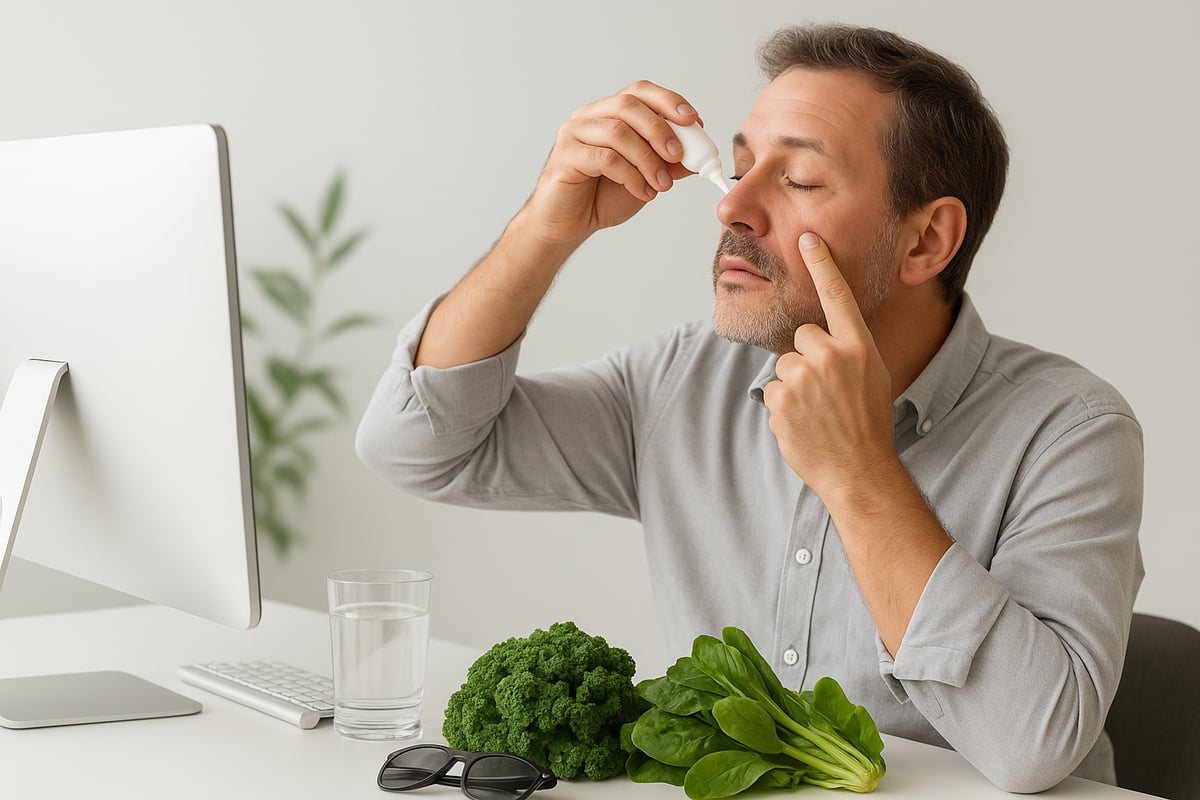
Essential Eye Care Routines
Digital screens are everywhere, making the 20 20 20 rule crucial. Every 20 minutes, look at something 20 feet away for 20 seconds. This simple practice can help prevent digital eye strain, a common concern for anyone searching for the right treat for eyes.
Proper lighting and workspace ergonomics also play a vital role. Position your monitor at eye level and reduce glare by adjusting your lighting. Wearing sunglasses with 100 percent UV protection shields your eyes from harmful rays, which are linked to cataracts and other eye issues.
Hygiene is non negotiable. Always wash your hands before touching your eyes or handling contact lenses. Remove makeup carefully each night to prevent irritation and infection. Quality sleep supports eye health by allowing your tear film to repair and refresh overnight.
For more detailed routines and actionable habits, you can explore these Daily Eye Care Tips to enhance your preventive strategy.
| Routine | Purpose | Frequency |
|---|---|---|
| 20 20 20 Rule | Reduce digital eye strain | Every 20 minutes |
| Sunglasses (UV Protection) | Prevent UV related damage | Outdoors, daylight |
| Proper Lighting | Minimize eye fatigue | Always |
| Hygiene | Prevent infection/irritation | Daily |
| Sleep | Restore tear film, repair | 7 8 hours nightly |
Good habits, practiced daily, make a measurable difference in long term vision wellness.
Nutrition and Hydration for Vision
Nutrition is a powerful treat for eyes. Essential nutrients like lutein, zeaxanthin, vitamin A, C, E, zinc, and omega 3 fatty acids are proven to support eye health. Leafy greens, carrots, eggs, fish, and nuts deliver these nutrients efficiently.
Staying hydrated ensures healthy tear production and prevents dry eye syndrome. Even mild dehydration can reduce tear volume, leading to discomfort and blurred vision.
Scientific studies show that diets rich in leafy greens and omega 3s lower the risk of age related macular degeneration. A focus on these foods, paired with proper hydration, forms the foundation of any effective treat for eyes.
| Nutrient | Best Food Sources | Eye Health Benefit |
|---|---|---|
| Lutein, Zeaxanthin | Spinach, kale, eggs | Filters blue light, antioxidant |
| Vitamin A | Carrots, sweet potato | Maintains corneal health |
| Omega 3 | Salmon, flaxseed | Reduces dry eye symptoms |
| Zinc | Nuts, beans | Supports retina function |
Building a balanced diet and drinking enough water every day can keep your eyes comfortable, focused, and resilient.
Breakthrough Treatments and Therapies in 2025
Advancements in science and technology are revolutionizing how we treat for eyes in 2025. From cutting-edge surgeries to innovative therapies, patients have more options than ever to protect and restore their vision. Understanding these breakthroughs is key to making informed decisions about your eye health.
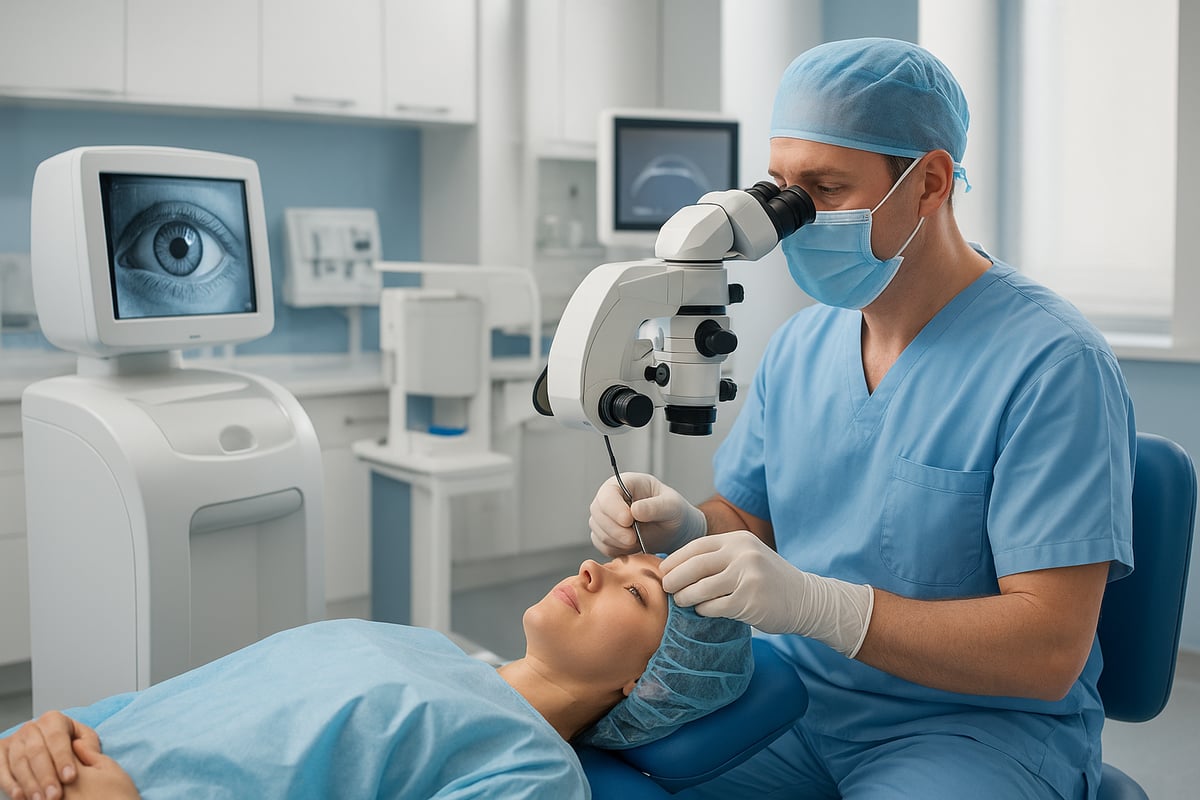
Advances in Medical and Surgical Treatments
The landscape of medical and surgical options to treat for eyes has changed dramatically in recent years. Cataract surgery now offers faster recovery and sharper outcomes, with laser-assisted techniques and premium intraocular lenses. For glaucoma and macular degeneration, new medications are improving efficacy rates and reducing side effects.
Gene therapy and stem cell research are opening doors for inherited retinal diseases, offering hope where none existed before. Minimally invasive procedures, such as micro-implants and targeted laser treatments, are reducing complication rates and downtime.
A quick comparison highlights the progress:
| Treatment Type | Traditional Methods | 2025 Innovations |
|---|---|---|
| Cataract Surgery | Manual extraction, basic lens | Laser-assisted, custom lens |
| Glaucoma Management | Eye drops, surgery | Micro-implants, new drugs |
| Retinal Diseases | Limited therapy | Gene/stem cell therapies |
Notably, FDA-approved eye drops now address presbyopia, helping millions regain near vision without surgery. For a deeper dive into these advancements and how they compare, explore Effective Eye Treatment Options.
Integrative and Alternative Therapies
Alongside mainstream medical solutions, many seek complementary approaches to treat for eyes and support overall vision health. Evidence-based practices like targeted eye exercises, acupuncture, and certain herbal supplements are gaining attention for their potential benefits. Clinical trials continue to evaluate acupuncture’s effect on chronic conditions such as glaucoma and macular degeneration, with some studies showing promising results.
If you are considering alternative therapies, it is important to assess both safety and effectiveness. Look for practitioners with appropriate credentials, and always discuss new treatments with your primary eye care provider.
A simple checklist for evaluating alternative therapies:
- Is there published clinical evidence supporting the method?
- Are safety protocols and practitioner qualifications clear?
- Does the approach complement, not replace, proven medical treatments?
Integrating these therapies within a comprehensive plan to treat for eyes can optimize outcomes, especially when combined with regular medical care. As more research emerges, patients have the opportunity to personalize their approach and choose the best mix of therapies for their needs.
Managing Degenerative Eye Conditions: Expert Approaches
Degenerative eye conditions require a proactive approach to preserve vision and quality of life. As the prevalence of age-related diseases rises, understanding how to effectively treat for eyes becomes more critical. Early detection, advanced monitoring, and comprehensive care strategies are key to managing these complex conditions.
Early Intervention and Monitoring
Timely intervention is the cornerstone of successful management for degenerative eye diseases. Regular screenings using state-of-the-art imaging tools such as optical coherence tomography (OCT) and fundus photography allow for the early identification of subtle changes in the retina. These technologies enable clinicians to track disease progression with precision.
Personalized treatment plans are essential. Factors like genetics, lifestyle, and coexisting conditions (such as diabetes or hypertension) influence how practitioners tailor a treat for eyes approach for each patient. Identifying risk factors early helps slow progression and prevent severe vision loss.
Support resources play a critical role in comprehensive care. Vision rehabilitation services, assistive devices, and support groups offer ongoing assistance for those facing daily challenges. For a deeper understanding of management strategies, visit the Degenerative Disease in Eyes resource for expert-backed insights.
Regular monitoring, patient education, and access to multidisciplinary teams are essential to any effective treat for eyes plan. These elements create a strong foundation for long-term visual health.
MicroAcupuncture for Degenerative Eye Diseases
MicroAcupuncture is emerging as a complementary therapy for those seeking alternative ways to treat for eyes affected by degenerative diseases. This specialized form of acupuncture targets specific points around the eyes, aiming to enhance retinal blood flow and promote neural function.
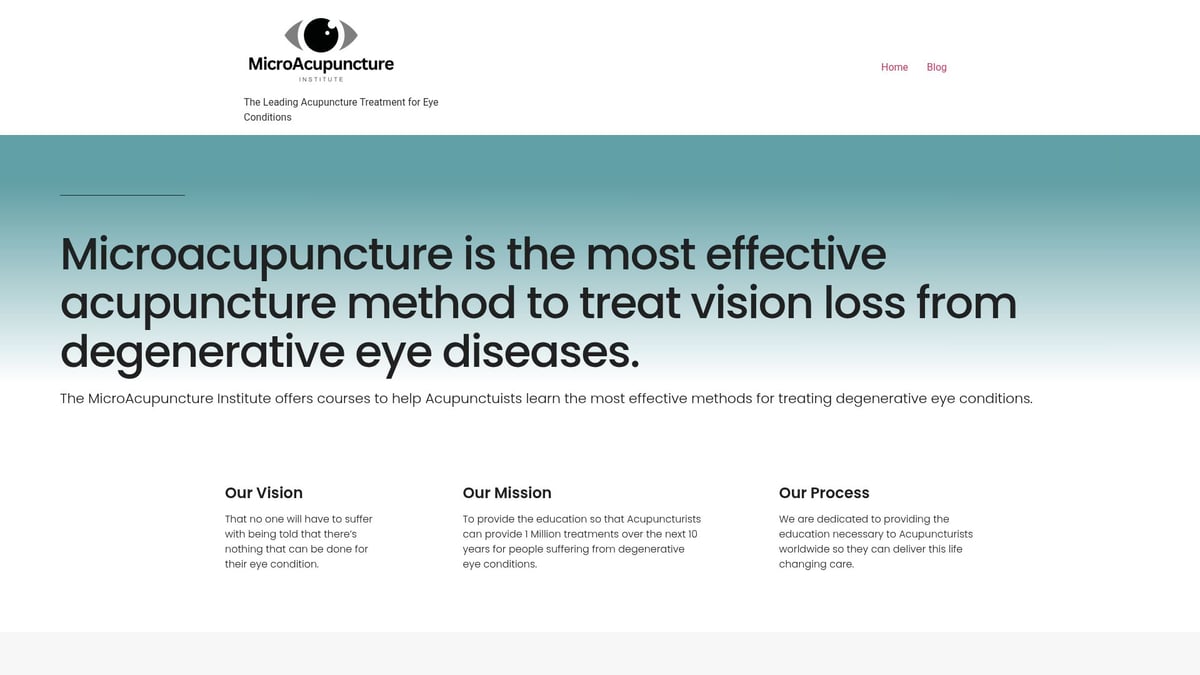
Studies have shown promising outcomes for individuals with macular degeneration, retinitis pigmentosa, and glaucoma. Clinical results indicate improvements in contrast sensitivity, peripheral vision, and overall quality of life. While MicroAcupuncture is not a replacement for traditional treatments, it can be integrated with existing therapies for a more holistic approach.
Patients interested in this therapy can access online practitioner training and connect with resources designed to support both practitioners and those living with vision loss. The integration of MicroAcupuncture alongside medical and surgical treatments offers a personalized, well-rounded treat for eyes plan. As research continues, this therapy holds potential for those seeking innovative solutions in eye care.
The Future of Eye Care: Innovations and Trends
As we enter 2025, the landscape of eye health is being transformed by new technologies and global efforts. The treat for eyes is evolving, bringing hope to millions seeking better vision and improved quality of life.
Smart Technology and Digital Health
The rise of smart technology is revolutionizing the treat for eyes. Artificial intelligence now powers diagnostic apps and handheld devices that can detect early signs of eye diseases, such as diabetic retinopathy and glaucoma. These innovations allow for faster, more accurate assessments, even in remote locations.
Telemedicine is making virtual eye exams and remote monitoring accessible to a wider population. Adoption rates are climbing as patients benefit from convenient checkups and specialists can reach those in underserved regions. Smart contact lenses and wearable tech are emerging, providing real-time monitoring of eye health and delivering medication when needed.
Personalized medicine is also advancing the treat for eyes, with genetic testing guiding customized prevention and treatment strategies. According to Visual impairment market trends, the market for digital eye health solutions is projected to grow rapidly, driven by demand for innovative therapies and technology-enabled care.
These breakthroughs are reshaping how we approach vision care, empowering both patients and providers.
Global Initiatives and Access to Care
Worldwide, the treat for eyes is no longer limited to those with easy access to specialists. Mobile clinics and low-cost surgeries are expanding reach, especially in low-income regions. Community outreach programs and partnerships are targeting preventable blindness, bringing vital services to those who need them most.
Organizations like the WHO and leading NGOs are working together to eliminate preventable blindness by 2030. Their strategies include training local health workers, distributing affordable treatments, and launching awareness campaigns. Global eye health initiatives provide recommendations for improving eye care services and reducing disparities.
Success stories from global vision restoration programs highlight the power of coordinated action. By addressing barriers to care, these initiatives ensure that treat for eyes becomes a reality for everyone, regardless of geography or income.
As you’ve discovered throughout this guide, proactive steps and innovative treatments can make a real difference in protecting and restoring your vision—especially when facing retinal or optic nerve conditions. If you or a loved one are navigating macular degeneration, glaucoma, or similar challenges, you don’t have to do it alone. We’re here to help you explore solutions like MicroAcupuncture and create a personalized plan for better eye health in 2025. If you’re ready to take the next step or have questions about your options, I invite you to Schedule A Free Phone Call and connect with our expert team in Tampa.