
Did you know that by 2025, vision diseases are projected to affect over 2.2 billion people worldwide? This alarming figure highlights an urgent need for reliable information and proactive eye care.
This handbook serves as your essential, up-to-date guide to understanding, preventing, and managing vision disease in 2025. Our goal is to empower you with the latest research, clear action steps, and expert advice to help protect your sight.
In this guide, you will find:
- An overview of the most common vision diseases
- Key risk factors and early warning signs
- Breakthroughs in diagnostics and treatment options
- Practical prevention strategies for daily eye health
- Future trends shaping the world of eye care
Are you ready to take control of your eye health? Let’s explore the knowledge and tools you need for a lifetime of healthy vision.
Understanding Vision Diseases in 2025
Vision disease remains a critical global health challenge, affecting people of all ages and backgrounds. As we move into 2025, understanding the full spectrum of these conditions is essential for prevention, early detection, and effective management.
Defining Vision Diseases
A vision disease is any condition that impairs the normal function of the eye or visual system. These conditions are typically categorized as degenerative, acute, or congenital.
Degenerative vision diseases, such as macular degeneration, cause gradual deterioration over time. Acute conditions, like sudden retinal detachment, occur rapidly. Congenital disorders, including some forms of glaucoma, are present at birth.
Examples of vision disease include:
- Age-related macular degeneration (AMD)
- Glaucoma
- Diabetic retinopathy
- Cataracts
Understanding these distinctions helps guide both diagnosis and treatment.
Most Prevalent Vision Diseases Today
Globally, over 1 billion people are affected by preventable vision impairment, according to the World Health Organization. Age-related macular degeneration is the leading vision disease among adults over 50.
Glaucoma impacts approximately 80 million individuals worldwide. It is often called the "silent thief of sight" because symptoms may not appear until vision loss is advanced.
Diabetic retinopathy is now the fastest-growing cause of vision disease, driven by rising diabetes rates. Early identification is crucial for all these conditions.
Causes and Risk Factors
Multiple factors contribute to the development of vision disease. Genetics play a significant role, especially in inherited conditions. Age, lifestyle choices, and environmental influences are also important.
Key risk factors include:
- Diabetes
- Hypertension
- Smoking
- Prolonged screen time
- Exposure to environmental toxins
To learn more about the underlying causes and risk factors, visit Causes of vision deterioration. Understanding these risks empowers individuals to make informed decisions about their eye health.
Symptoms and Early Warning Signs
Recognizing symptoms of vision disease early can make a significant difference in outcomes. Common warning signs include blurred vision, floaters, peripheral vision loss, and eye pain.
It is vital to pay attention to subtle changes, such as difficulty seeing at night or increased sensitivity to light. For example, early detection of glaucoma can prevent irreversible vision loss.
Being proactive about eye health means seeking evaluation when symptoms arise, no matter how minor they may seem.
The Societal Impact of Vision Diseases
Vision disease imposes a substantial burden on society. The annual global economic cost is estimated at 410 billion dollars, according to the Vision Loss Expert Group (2021).
Individuals with vision disease often experience reduced quality of life and independence. The impact is especially pronounced among older adults and underserved communities, who may face additional barriers to care.
Addressing these challenges requires coordinated efforts from healthcare providers, policymakers, and communities.
The Importance of Early Detection
Early intervention remains the most effective way to prevent vision loss. The World Health Organization estimates that up to 80 percent of vision disease-related blindness could be avoided with timely care.
Regular eye exams are essential, especially for those at higher risk. Public awareness campaigns continue to play a crucial role in encouraging early screening and reducing preventable vision loss.
Diagnostic Advances and Screening in 2025
Innovations in vision disease diagnostics are transforming how quickly and accurately eye conditions are detected. New tools and digital solutions are making it easier for people worldwide to access early screening, personalized risk assessment, and ongoing monitoring. Here is what you can expect in 2025.
Latest Diagnostic Technologies
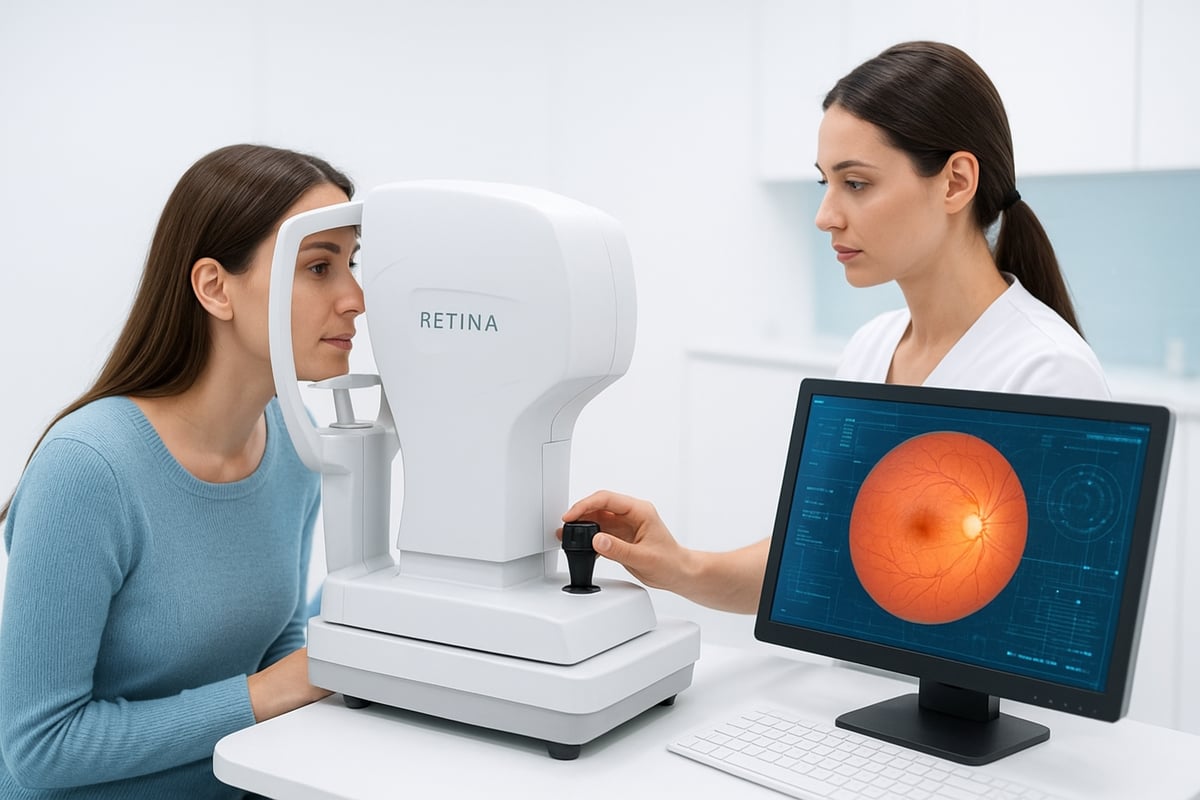
The landscape of vision disease diagnosis is rapidly evolving. Optical Coherence Tomography (OCT) provides detailed 3D images of the retina, allowing early detection of subtle changes. AI-powered retinal scans can identify complex patterns, supporting faster and more accurate diagnosis. Teleophthalmology expands access, enabling remote screening and monitoring for patients in rural or underserved regions.
A breakthrough in AI has shown great promise, with systems already detecting diabetic retinopathy at high accuracy. For more on this, see this AI in diabetic retinopathy detection story. Together, these technologies are setting a new standard for vision disease care.
Comprehensive Eye Exams: What to Expect
A comprehensive eye exam remains the foundation for detecting vision disease. During an exam, you can expect:
- Visual acuity testing, checking how clearly each eye sees
- Intraocular pressure measurement for glaucoma risk
- Retinal imaging to spot early signs of disease
Experts recommend exams every two years for adults, and annually for those at higher risk. Children and seniors may require more frequent visits, ensuring early intervention.
Genetic Testing and Personalized Risk Assessment
Genetics play a significant role in many types of vision disease, including age-related macular degeneration and inherited retinal disorders. Advances in genetic testing now offer:
- Identification of high-risk individuals before symptoms arise
- Direct-to-consumer genetic kits, which offer convenience but require careful interpretation
- Guidance for families with known hereditary conditions
Personalized risk profiles help tailor prevention and monitoring plans, providing a proactive approach to eye health.
Barriers to Accessing Eye Care
Despite advances, vision disease care is not equally accessible. Challenges include:
- Geographic isolation, especially in rural communities
- Financial barriers, such as lack of insurance or high out-of-pocket costs
- Cultural and informational gaps, which may limit awareness
Organizations worldwide are working to improve access, with programs like Vision 2020 aiming to reduce preventable blindness and vision disease through outreach and education.
Self-Screening and Digital Tools
Digital health tools are empowering individuals to track and manage vision disease at home. Popular options include:
- Mobile apps for visual acuity and color vision testing
- Home devices for monitoring intraocular pressure or retinal changes
- Symptom trackers that prompt timely medical visits
While convenient, these tools cannot replace professional exams. Use them as supplements and always consult an eye care provider for persistent symptoms.
The Future of Screening: AI and Big Data
Looking ahead, AI and big data are poised to revolutionize vision disease screening. Predictive analytics will help identify early warning signs, while wearable health technology will enable real-time monitoring of eye health. As data integration improves, early intervention will become more precise and widespread, helping reduce the global burden of vision disease.
Treatment Options: From Conventional to Cutting-Edge
The landscape of vision disease management is rapidly evolving, offering patients more options than ever before. Understanding these treatments helps individuals make informed choices for their eye health. From established therapies to innovative breakthroughs, the following overview covers the full spectrum of care available in 2025.
Standard Medical Treatments
Medical interventions remain the foundation for treating vision disease. Common therapies include anti-VEGF injections for age-related macular degeneration, eye drops for glaucoma, and laser procedures for diabetic retinopathy. Cataract surgery is also widely used to restore clarity in affected eyes.
| Treatment Type | Common Use | Typical Outcome |
|---|---|---|
| Pharmaceuticals | AMD, glaucoma | Slows progression |
| Laser Therapy | Diabetic retinopathy, glaucoma | Reduces damage |
| Surgery | Cataracts, retinal detachment | Restores/improves vision |
For a comprehensive overview of effective treatments for vision loss, explore resources that outline the latest in evidence-based care.
Lifestyle and Nutritional Interventions
Lifestyle changes can significantly impact the course of vision disease. Diets rich in antioxidants, omega-3 fatty acids, and lutein help support retinal health. The AREDS2 study highlights the benefits of specific supplements in slowing AMD progression.
Quitting smoking and regular physical activity also lower the risk of vision disease. Incorporating these habits not only preserves sight but also promotes overall wellbeing.
Vision Rehabilitation and Assistive Technologies
When vision disease leads to permanent impairment, rehabilitation is essential. Patients benefit from low-vision aids, such as magnifiers, screen readers, and adaptive lighting. Occupational therapy can teach strategies for daily tasks, while mobility training helps maintain independence.
- Magnifiers for reading
- Screen readers for digital access
- Adaptive lighting for home safety
Vision rehabilitation empowers those affected by vision disease to stay active and engaged.
Alternative and Complementary Therapies
Many patients seek alternative options alongside conventional treatments for vision disease. Acupuncture, herbal supplements, and mindfulness practices are among the most common. While some individuals report symptom relief, scientific evidence supporting these methods remains limited.
It is important to consult with eye care professionals before integrating complementary therapies to ensure safety and optimal management of vision disease.
MicroAcupuncture for Degenerative Eye Conditions
MicroAcupuncture is gaining attention as a complementary approach for degenerative vision disease such as macular degeneration, glaucoma, and retinitis pigmentosa. This specialized form of acupuncture aims to restore blood flow and stimulate retinal cells.
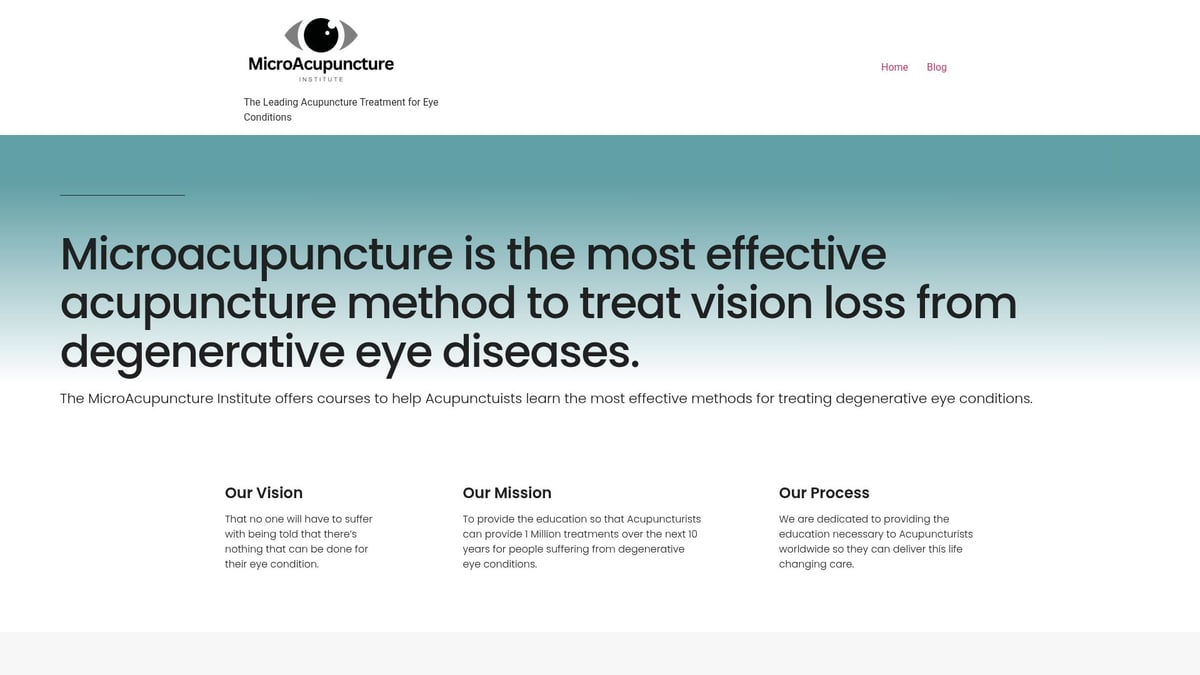
Millions of treatments have been performed worldwide, with many patients reporting improved function. The MicroAcupuncture Institute plays a key role in practitioner training and patient support, offering hope for those seeking alternatives in vision disease care.
Emerging Therapies and Clinical Trials
Cutting-edge research is driving new possibilities for vision disease treatment. Stem cell therapies, gene editing with CRISPR, and retinal implants are currently under investigation. Early clinical trials show promise, but these therapies are not yet widely available.
Staying informed about ongoing research is crucial for patients and providers as the future of vision disease management continues to unfold.
Prevention Strategies and Daily Eye Health
Protecting your eyes from vision disease starts with practical, daily choices. Prevention is the most effective long-term strategy, supported by decades of research. By adopting healthy habits, you can significantly reduce your risk and enhance your quality of life. For a deeper understanding of prevention, see this degenerative disease in eyes overview.

Healthy Habits for Lifelong Vision
Building strong habits is the cornerstone of vision disease prevention.
Key daily practices include:
- Wearing UV-blocking sunglasses and wide-brimmed hats outdoors
- Taking regular breaks from screens using the 20-20-20 rule
- Adjusting screen brightness and contrast for comfort
- Prioritizing consistent sleep routines to support eye repair
These habits help maintain healthy eyes and lower the risk of chronic vision disease.
Nutrition and Supplementation
What you eat directly impacts your risk of vision disease. Certain nutrients are proven to support eye health:
| Nutrient | Food Sources | Role in Eye Health |
|---|---|---|
| Vitamin A | Carrots, spinach | Night vision, corneal health |
| Vitamin C | Citrus, berries | Antioxidant, tissue repair |
| Lutein | Leafy greens, eggs | Protects retina, filters light |
| Omega-3s | Salmon, walnuts | Reduces inflammation |
Major studies show that diets rich in these nutrients can slow or prevent vision disease progression.
Managing Chronic Health Conditions
Controlling chronic diseases is vital for protecting your eyes. Diabetes, high blood pressure, and high cholesterol increase the risk of vision disease.
- Monitor blood sugar and blood pressure regularly
- Follow treatment plans for chronic illnesses
- Quit smoking to reduce risk of eye damage
Effective management can prevent or delay the onset of vision disease.
Environmental and Occupational Safety
Protecting your eyes at home and work is crucial in preventing vision disease.
- Always wear protective eyewear during sports or hazardous tasks
- Use blue light filters on digital screens
- Reduce clutter and hazards in living spaces to avoid eye injuries
Taking these precautions lowers the risk of both acute and chronic vision disease.
Eye Care for Children and Teens
Children and teens face unique risks for vision disease, especially with rising screen time and myopia rates.
- Encourage outdoor play for at least 1–2 hours daily
- Limit recreational screen time
- Schedule regular eye exams for early detection
Early intervention helps prevent long-term vision disease in young people.
When to Seek Professional Help
It is essential to recognize when symptoms may signal a serious vision disease.
- Sudden vision loss, severe pain, or flashes of light require immediate attention
- Persistent floaters, redness, or changes in vision should not be ignored
- Find qualified eye care providers for timely diagnosis and treatment
Prompt action can mean the difference between reversible and permanent vision disease.
The Future of Vision Disease Management
As we approach 2025, the landscape of vision disease management is evolving rapidly. Advances in technology, personalized care, and public health initiatives are reshaping how we prevent, diagnose, and treat vision disease. Staying informed about these trends is crucial for protecting your eyesight in the years ahead.
Trends in Eye Care and Public Health
The global burden of vision disease continues to rise, especially as populations age. According to global vision loss projections by 2050, the number of people affected is expected to increase substantially. Public health campaigns now focus on early detection, universal access, and eliminating avoidable blindness. Partnerships between governments and NGOs are key to addressing disparities and supporting sustainable vision disease management worldwide.
Artificial Intelligence and Telemedicine
Artificial intelligence is transforming vision disease care by enabling earlier, more accurate diagnoses. AI algorithms can analyze retinal images, identifying subtle changes that might be missed by the human eye. Telemedicine platforms allow patients to connect with specialists remotely, reducing barriers for those in rural or underserved regions. For example, AI can detect diabetic retinopathy with remarkable precision, supporting timely intervention and better outcomes.
Personalized and Regenerative Medicine
Personalized medicine is ushering in a new era for vision disease treatment. By analyzing genetic and biomarker data, clinicians can tailor therapies to each patient’s unique risk profile. Stem cell and gene therapies are progressing, offering hope for previously untreatable inherited conditions. To explore more about the genetic side of eye conditions, see this resource on eye genetic diseases explained. Early results from gene therapy trials are promising, though long-term effectiveness and safety continue to be studied.
Integration of Wearable and Smart Devices
Wearable technology is playing a growing role in vision disease management. Smart contact lenses can monitor glucose or intraocular pressure, sending real-time data to healthcare providers. Devices like these empower patients to track their eye health proactively. Adoption rates are rising, but privacy and data security remain important considerations. As technology evolves, expect even more seamless integration into daily life.
Patient Empowerment and Digital Communities
Patients are increasingly taking charge of their vision disease journey. Online support groups, educational platforms, and advocacy networks connect individuals, families, and professionals. These digital communities foster knowledge sharing, emotional support, and even accelerate research through crowdsourced data. Patient voices are shaping policy and research priorities, ensuring care becomes more patient-centered.
Addressing Health Disparities in Vision Care
Despite progress, health disparities persist in vision disease outcomes. Efforts to close gaps focus on expanding access, affordability, and culturally sensitive care. Community outreach programs deliver screenings and education to those most at risk. By prioritizing equity, the future of vision disease management aims for better outcomes for all, regardless of location or background.
As you’ve seen throughout this guide, understanding and acting early on vision health can make a world of difference—especially with conditions like macular degeneration, glaucoma, and retinitis pigmentosa. If you or a loved one are concerned about vision changes or want to explore specialized treatments like MicroAcupuncture, you don’t have to navigate these decisions alone. We’re here to help you take the next step with confidence. If you’d like to discuss your unique situation or learn more about how we may support your eye health goals, I invite you to Schedule A Free Phone Call.