
By 2026, the number of people experiencing vision impairment is expected to surpass 1.1 billion worldwide, highlighting an urgent need for awareness about eye problems in people. With digital device use at an all-time high and populations aging rapidly, proactive eye care has never been more crucial.
This article will guide you through the seven most critical eye problems in people to watch for in the coming years. These conditions affect all age groups and can impact daily life if left unchecked.
Prioritizing your eye health now can help prevent serious issues later. Learn what to look out for and how to protect your vision for the future.
The Growing Importance of Eye Health in 2026
As the world approaches 2026, the significance of monitoring eye problems in people is growing rapidly. Global lifestyles are shifting, and the risk of vision impairment is rising across all age groups. Increased life expectancy, urbanization, and digital device dependence are converging to make eye health a public health priority.
Demographic Shifts and Digital Device Usage
The global population is aging, leading to a surge in age-related eye problems in people. Seniors are especially at risk for conditions like macular degeneration, cataracts, and glaucoma. Meanwhile, younger generations are spending more hours on screens, exposing their eyes to digital strain and blue light. The World Health Organization and CDC both project a substantial increase in vision impairment and blindness by 2026, driven by these trends. According to the WHO, over 2.2 billion people already experience some form of vision impairment, and this number is expected to grow. Digital eye strain is now a daily concern for millions, affecting productivity, learning, and quality of life.
Economic and Social Costs, Environmental Impact, and Diagnostic Advances
The economic burden of untreated eye problems in people is immense, with billions in lost productivity and healthcare costs each year. Socially, vision loss affects independence, education, and mental health. Environmental factors such as pollution and increased UV exposure further heighten the risk of ocular diseases. Early detection is crucial, as many eye conditions can be managed or even prevented with timely intervention. Regular eye exams and modern diagnostic tools, including advanced imaging and AI-assisted screening, are making it easier to catch issues before they progress. The importance of proactive care is reflected in global eye care targets for 2030, which aim to expand access to refractive error correction and cataract surgery worldwide. By staying informed and prioritizing regular check-ups, individuals can help protect their vision and reduce the long-term impact of eye problems in people.
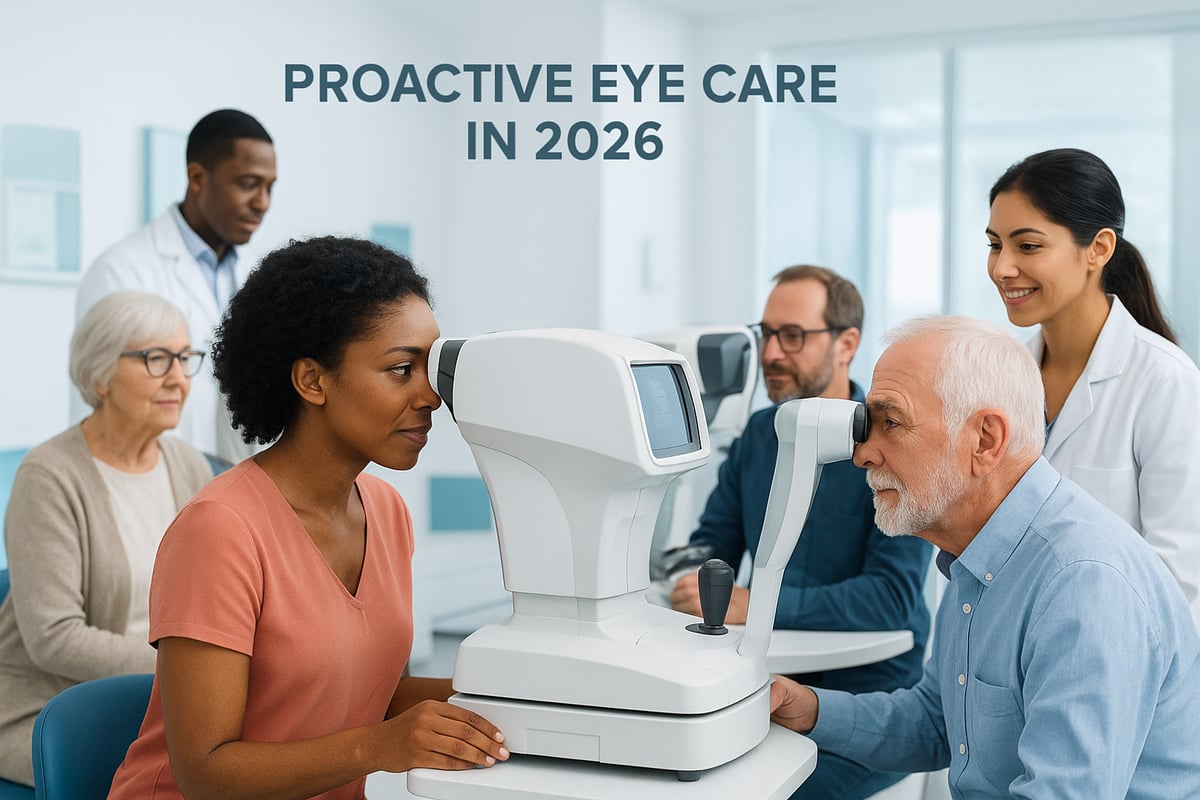
7 Essential Eye Problems in People to Watch for in 2026
Monitoring the most pressing eye problems in people is more crucial than ever as we approach 2026. Eye health is a universal concern, with risks spanning all age groups and lifestyles. The following sections highlight seven key conditions that demand attention, emphasizing symptoms, prevention, and modern treatment options. Prioritizing awareness and regular checkups can help safeguard vision and quality of life for millions worldwide.
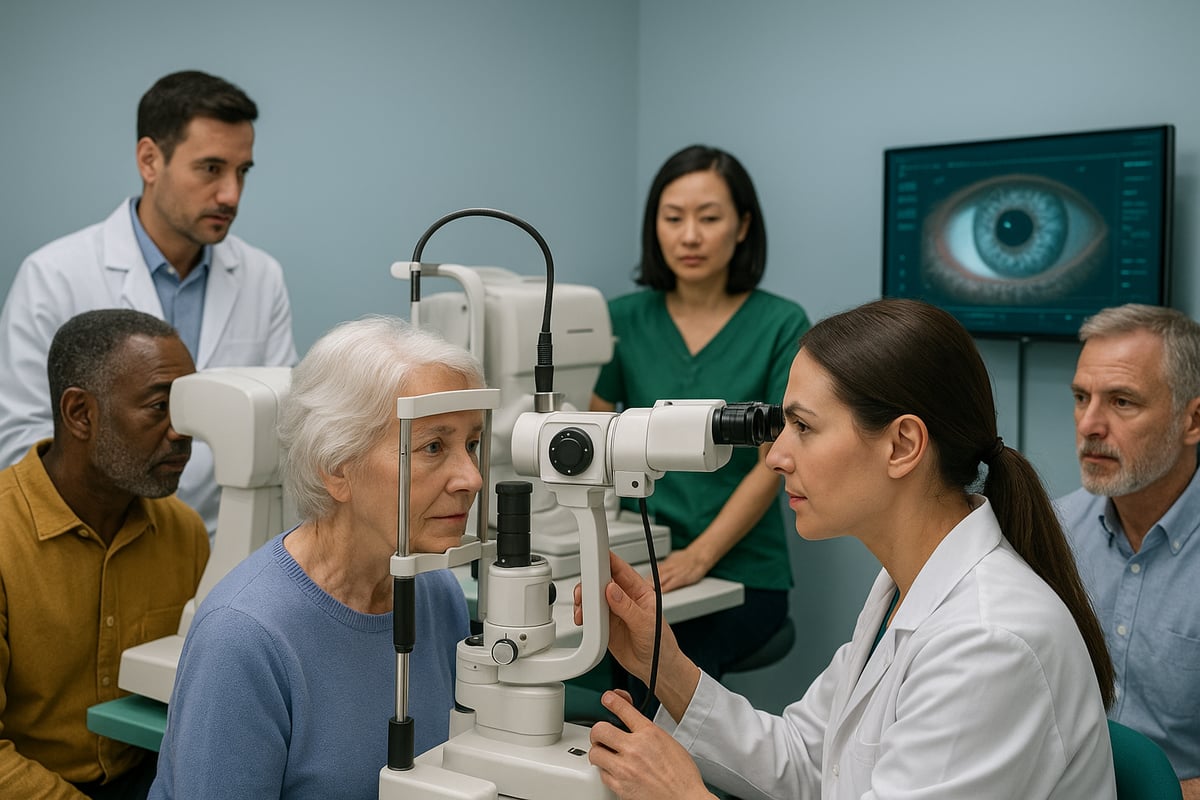
1. Age-Related Macular Degeneration (AMD)
Age-Related Macular Degeneration (AMD) is one of the most common and serious eye problems in people over 50. It affects the macula, the central part of the retina responsible for sharp vision. There are two main types: dry AMD, which progresses slowly, and wet AMD, which can cause rapid vision loss due to abnormal blood vessel growth.
Current statistics show that AMD is the leading cause of permanent vision loss among older adults. By 2026, experts predict a significant rise in cases as populations age. Risk factors include family history, smoking, poor diet, and prolonged UV exposure.
Early signs of AMD can be subtle, such as blurred central vision or difficulty seeing fine details. As it advances, straight lines may appear wavy, and blank spots can develop in the visual field. Regular screening is vital, especially for those at higher risk.
Treatment options have evolved, with anti-VEGF injections offering hope for wet AMD. Lifestyle changes, such as a diet rich in leafy greens and quitting smoking, can slow progression. For more details on related conditions, see this overview of common degenerative eye diseases.
2. Diabetic Retinopathy
Diabetic retinopathy is a leading cause of vision impairment among adults and is expected to become an even greater challenge by 2026 due to increasing diabetes rates. This condition arises when high blood sugar damages the tiny blood vessels in the retina, leading to leakage, swelling, and eventually new, fragile vessel growth.
There are four stages: mild, moderate, and severe nonproliferative retinopathy, followed by proliferative retinopathy, where new vessels threaten vision. Symptoms can include blurred vision, floaters, and dark spots, but early stages may have no noticeable signs.
Annual comprehensive eye exams are essential for anyone with diabetes. Early intervention can prevent most severe outcomes. Treatments range from laser therapy and anti-VEGF injections to tight blood sugar control.
Case studies show that people who manage their diabetes and seek prompt treatment are much more likely to maintain vision. These trends reinforce the need to monitor eye problems in people with chronic conditions.
3. Glaucoma
Glaucoma is often called the "silent thief of sight" because it typically progresses without early warning signs. This group of diseases damages the optic nerve, usually due to increased intraocular pressure, and is a significant cause of irreversible blindness worldwide.
There are several types: open-angle (most common), angle-closure, and normal-tension glaucoma. Risk factors include age over 40, family history, African or Asian descent, and certain medical conditions.
Globally, glaucoma cases are on the rise. Experts expect a marked increase in eye problems in people as life expectancy grows. Diagnosis relies on tests like tonometry (measuring eye pressure), visual field assessments, and optical coherence tomography (OCT).
Treatment options include daily eye drops, laser therapy, and surgery. Regular eye pressure checks are critical, especially for those at risk. Early detection can dramatically reduce vision loss.
4. Cataracts
Cataracts occur when the eye's natural lens becomes cloudy, causing vision to blur or dim. This is one of the most treatable eye problems in people, but it remains a leading cause of blindness, especially among seniors.
The prevalence of cataracts is expected to rise noticeably by 2026 as populations age. Symptoms include faded colors, glare, halos around lights, and difficulty seeing at night.
Surgical removal of the cloudy lens, replaced with a clear artificial one, restores vision for most. Preventive strategies include wearing UV-blocking sunglasses, eating a nutrient-rich diet, and quitting smoking.
Many patients report a dramatic improvement in quality of life after cataract surgery. Regular eye exams help detect cataracts early and allow timely intervention, reducing the overall impact of eye problems in people.
5. Digital Eye Strain (Computer Vision Syndrome)
Digital eye strain, or Computer Vision Syndrome, is increasingly affecting people of all ages due to prolonged use of computers, tablets, and smartphones. This condition is now among the fastest-growing eye problems in people, particularly as remote work and online learning become more common.
Symptoms include dry, irritated eyes, headaches, blurred vision, and neck or shoulder pain. Recent studies link increased screen time directly to rising complaints of eye discomfort.
To prevent digital eye strain, experts recommend following the 20-20-20 rule (look at something 20 feet away every 20 minutes for 20 seconds), using blue light filters, and ensuring proper lighting and ergonomics. Schools and workplaces are also adopting measures to reduce risk.
Ongoing research is exploring the long-term effects of excessive screen time on vision. Addressing digital eye strain now is key to preventing chronic eye problems in people in the future.
6. Dry Eye Disease
Dry eye disease is a multifactorial condition causing discomfort, vision fluctuations, and sometimes damage to the eye's surface. This is one of the most underestimated eye problems in people, but its prevalence is climbing due to increased screen use, environmental factors, and aging.
Symptoms include burning, redness, a gritty sensation, and sensitivity to light. Risk factors range from contact lens use and hormonal changes to autoimmune disorders and certain medications.
Treatment can involve artificial tears, prescription medications, and lifestyle changes like using humidifiers or taking screen breaks. Advances in diagnostic tools are enabling more personalized therapies, leading to better outcomes.
Patient stories often highlight the profound improvement in daily comfort and vision after receiving proper treatment. Early attention to dry eye disease can prevent more serious eye problems in people later on.
7. Retinal Detachment
Retinal detachment is a medical emergency where the retina separates from the back of the eye. Though less common, it is one of the most critical eye problems in people, as delayed treatment can result in permanent vision loss.
Causes include trauma, high myopia, or a history of eye surgery. Warning signs are sudden onset of floaters, flashes of light, or a shadow moving across the visual field.
Incidence rates are relatively low, but certain people face higher risk. Treatment methods include laser surgery, vitrectomy, or scleral buckle procedures.
Immediate medical attention offers the best chance for vision preservation. Recognizing symptoms quickly is essential for managing this and other serious eye problems in people. For a more comprehensive summary, consult this overview of eye maladies.
Innovations and Advances in Eye Care for 2026
The landscape of eye care is evolving rapidly, bringing hope to millions affected by eye problems in people worldwide. New technologies, treatments, and approaches are transforming prevention, diagnosis, and management. As we approach 2026, these innovations offer real promise for reducing vision loss and improving quality of life.
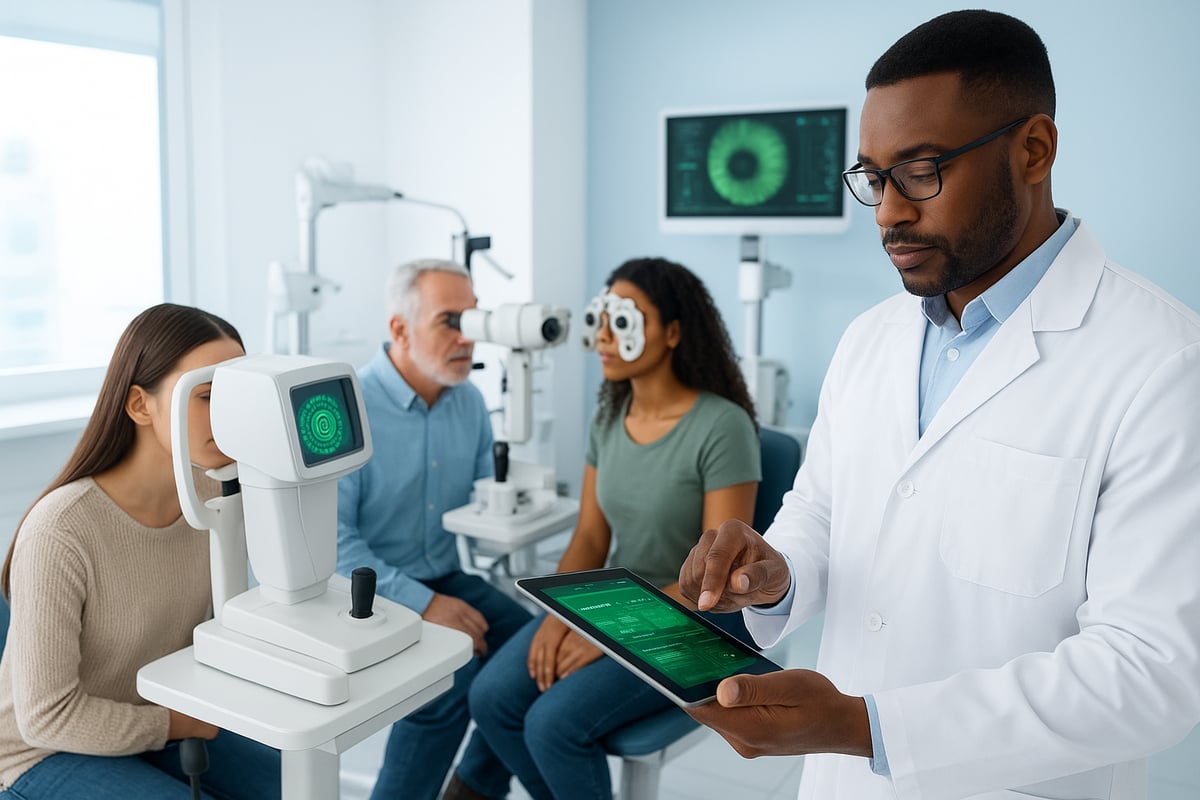
AI and Digital Innovations in Eye Care
Artificial intelligence is reshaping how we detect and monitor eye problems in people. AI-powered diagnostic tools can analyze retinal images, spot early disease signs, and recommend tailored interventions. Tele-ophthalmology is expanding access, allowing remote consultations and screenings, especially in underserved areas.
One breakthrough is the development of AI-driven 3D eye modeling, which creates digital replicas from 2D images to personalize myopia management. For more on this, see AI-driven 3D eye modeling for myopia management. Home monitoring devices now track vision changes in real time, alerting patients and doctors to new risks.
Breakthroughs in Medical Treatment
Medical advances are opening new possibilities for tackling eye problems in people. Gene therapy is showing promise for inherited retinal diseases, offering the potential to restore vision by correcting genetic defects. Stem cell research is paving the way for regenerating damaged eye tissues and slowing disease progression.
Pharmaceutical innovations are also emerging, with targeted drugs for conditions like AMD and diabetic retinopathy. Personalized medicine, guided by genetic and biomarker data, is making treatments more effective and reducing side effects. Clinical trials report improved outcomes and faster recovery times for patients benefiting from these therapies.
Accessibility, Adoption, and the Future of Eye Health
For innovations to make a real difference, they must reach those who need them most. Efforts are underway to improve the affordability and accessibility of advanced treatments for eye problems in people. Wearable devices and smart contact lenses are becoming more widely available, enabling constant monitoring and early alerts.
Adoption rates for new technologies are rising globally, supported by increased investment and supportive policies. According to global eye care market projections, the industry is set for significant growth, driven by aging populations and technological advances. Clinics worldwide are reporting success stories as these new solutions become standard in eye care.
As you’ve seen, taking charge of your eye health is more important than ever—especially as we approach 2026 and the risks of conditions like macular degeneration, glaucoma, and retinal disease continue to rise. If you or someone you care about is facing vision changes or has concerns about degenerative eye conditions, there’s no reason to wait. We’re here to help you explore solutions like our MicroAcupuncture treatment, which is designed to restore blood flow and support retinal health. Let’s talk about your specific needs and how we can help you regain clearer vision—Schedule A Free Phone Call.